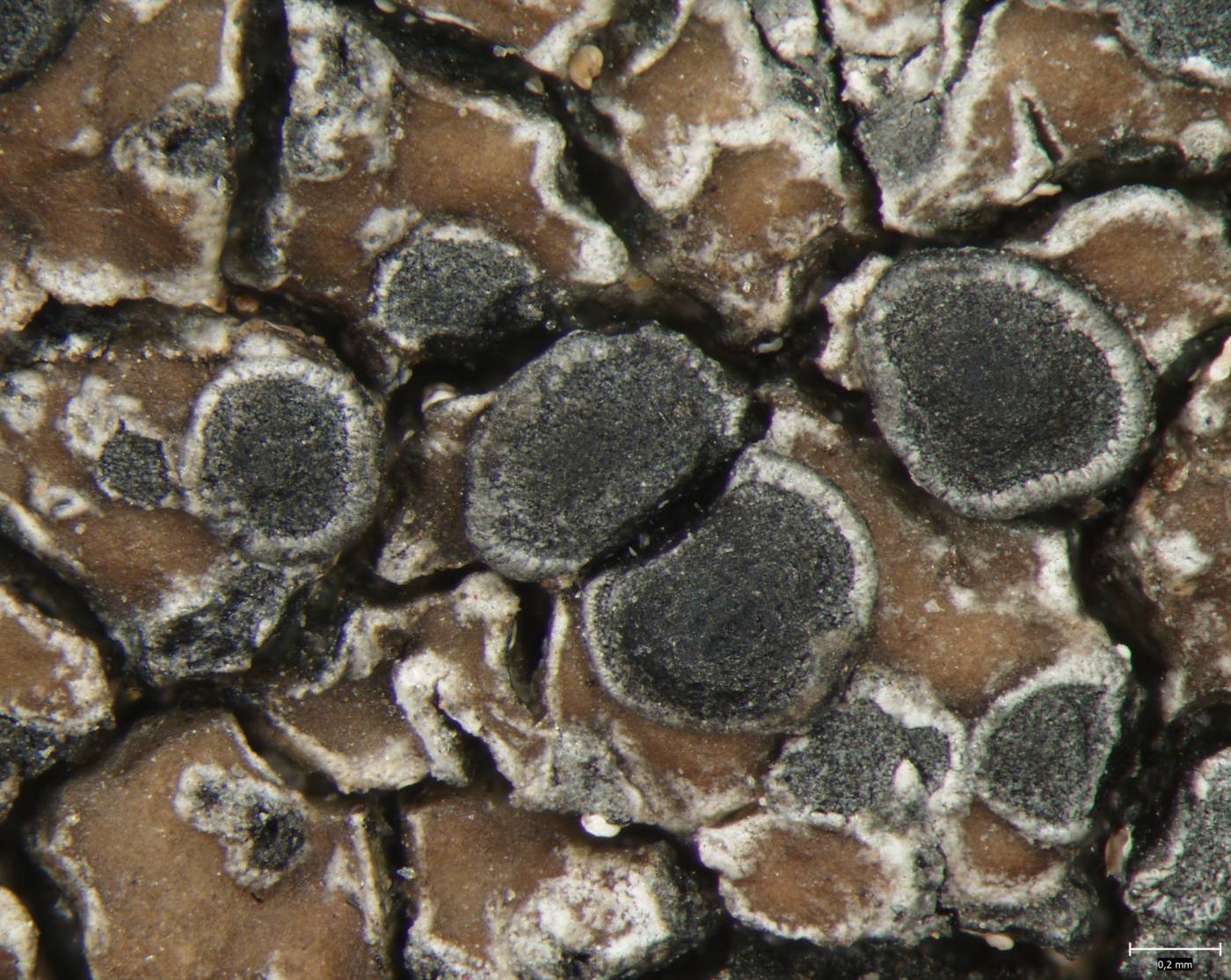
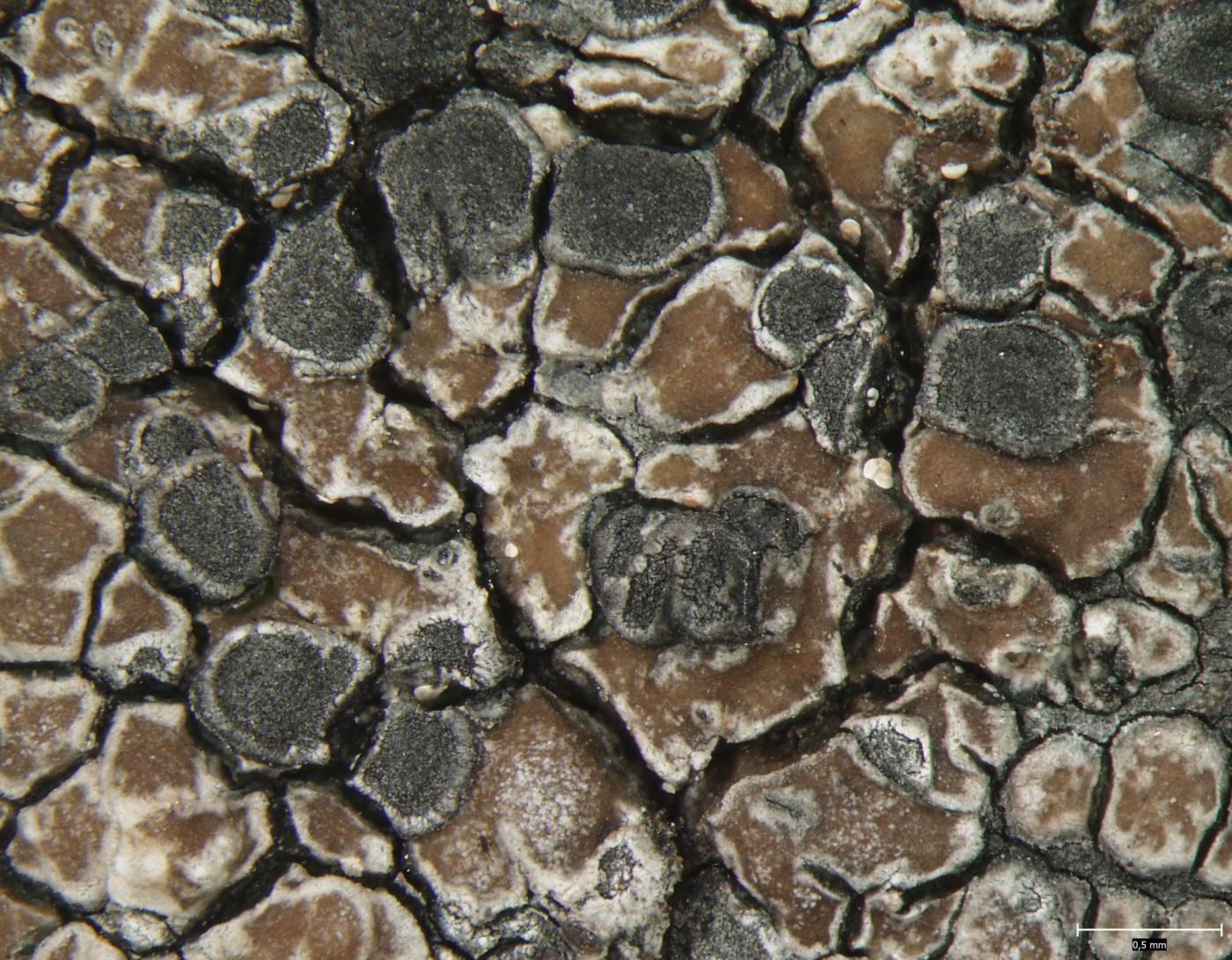
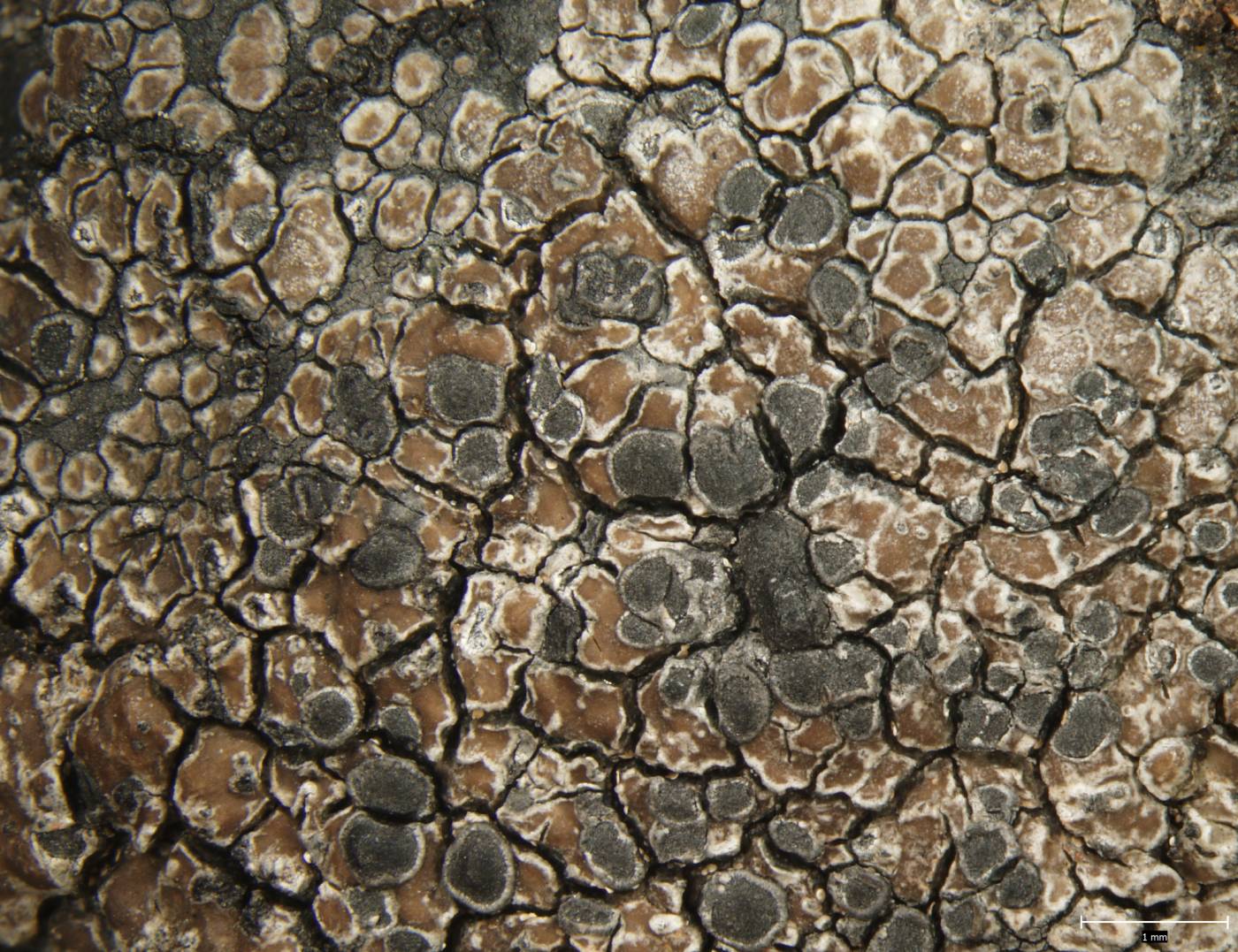
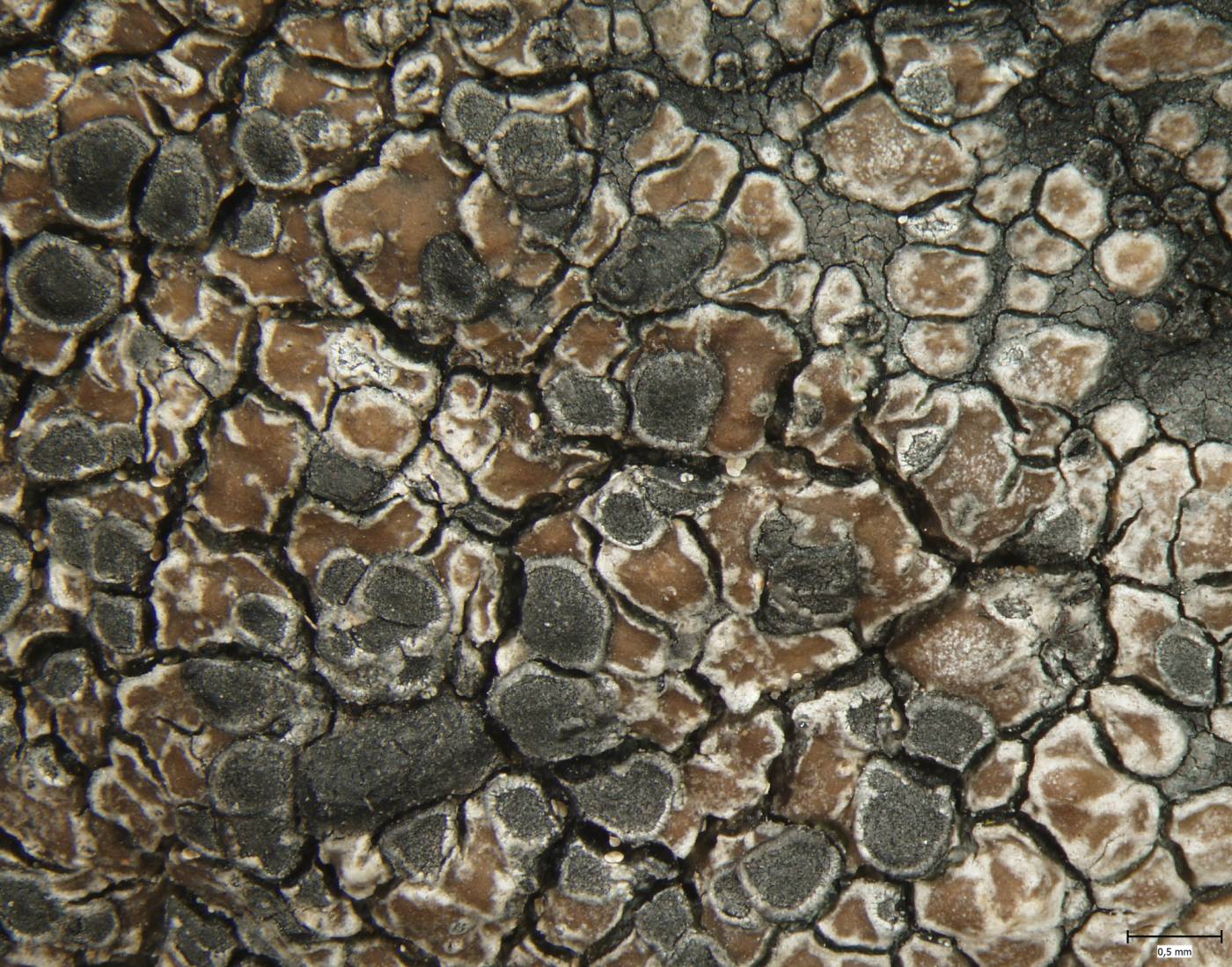
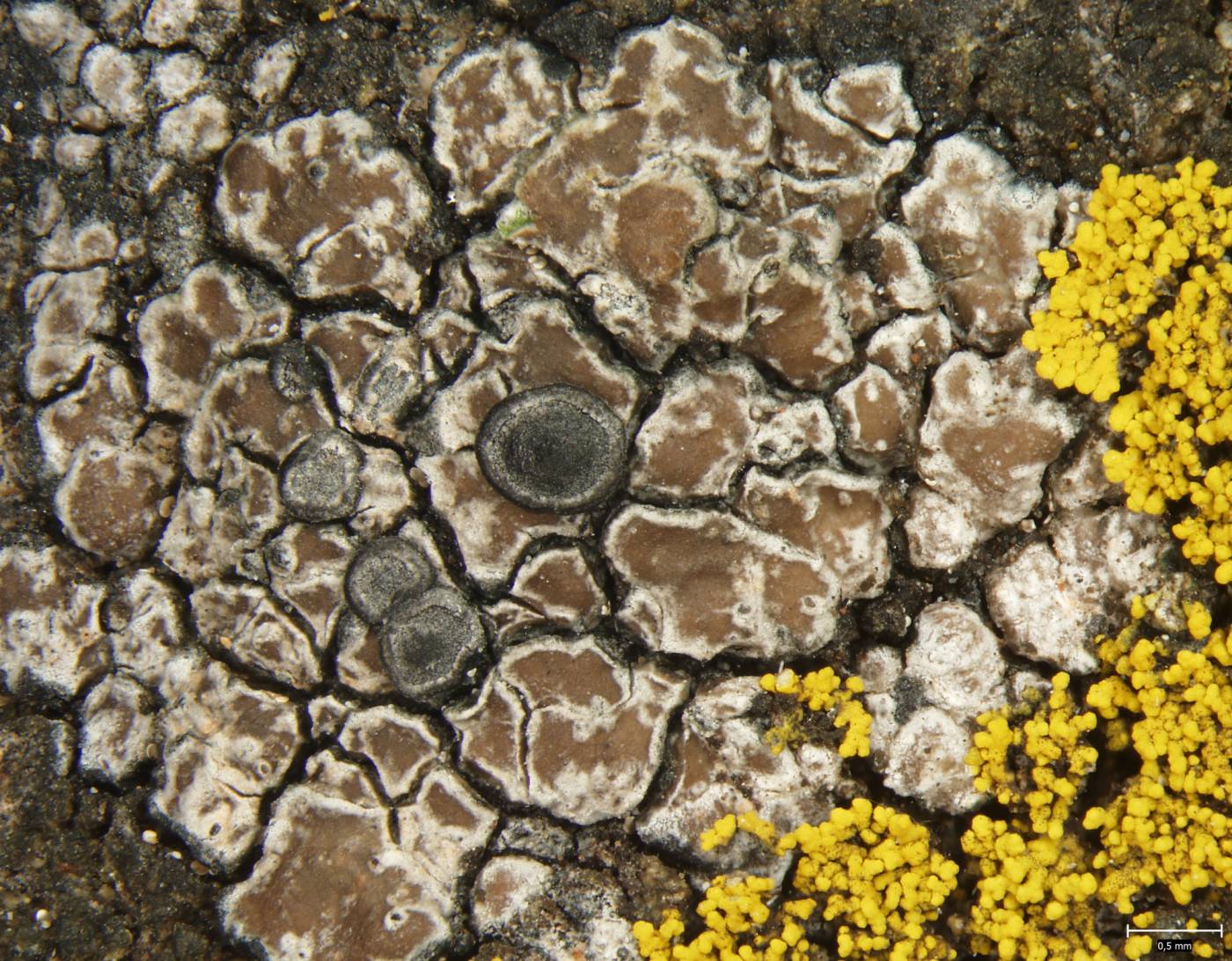
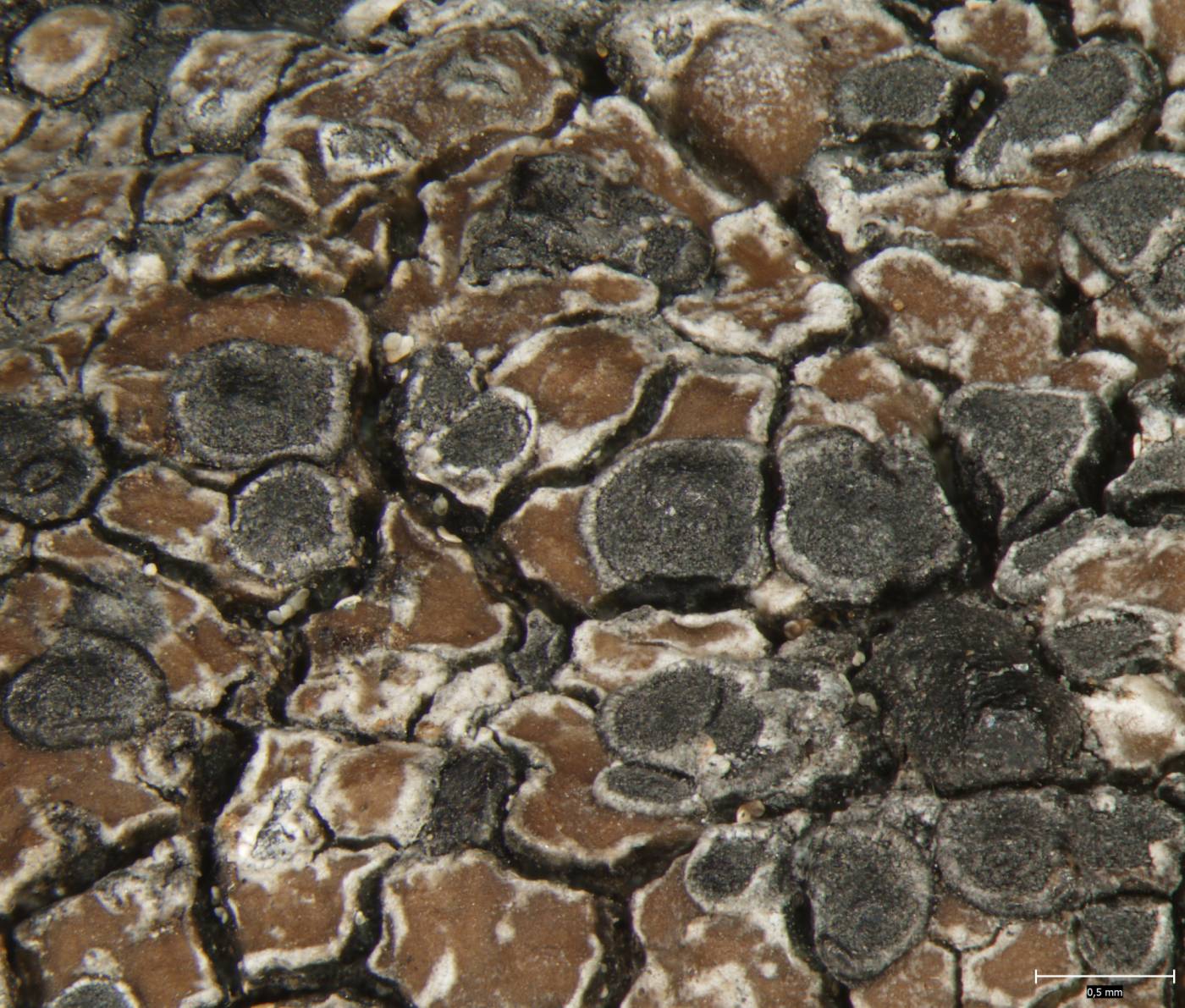
A lichen very similar to the common species L. fuscoatra, from which it differs primarily in the absence of gyrophoric acid and the presence of confluentic acid. Similar lichens include Immersaria athroocarpa and Miriquidica deusta. In Europe, this species was first recognized only recently, from the Týřov in Central Bohemia (Vondrák et al. 2022). It was subsequently also found in the Hrubý Jeseník Mountains, Česká Lípa region, and in the Drbákov–Albertovy skály in the Vltava River valley, where it appears to be fairly common and grows mainly on more acidic types of volcanic rocks, often together with L. fuscoatra. Thalli of both species show subtle morphological as well as molecular differences (Malíček 2025).
Literature: Vondrák J. et al. (2022): From Cinderella to Princess: an exceptional hotspot of lichen diversity in a long-inhabited central-European landscape. – Preslia 94: 143–181. Malíček J. (2025): Lišejníky NPR Drbákov-Albertovy skály ve středním Povltaví. – Bryonora 76: 11–43.
taxonomic classification:Ascomycota → Lecanoromycetes → Lecanorales → Lecideaceae → Lecidea
Red List (Malíček 2023):DD – data deficient
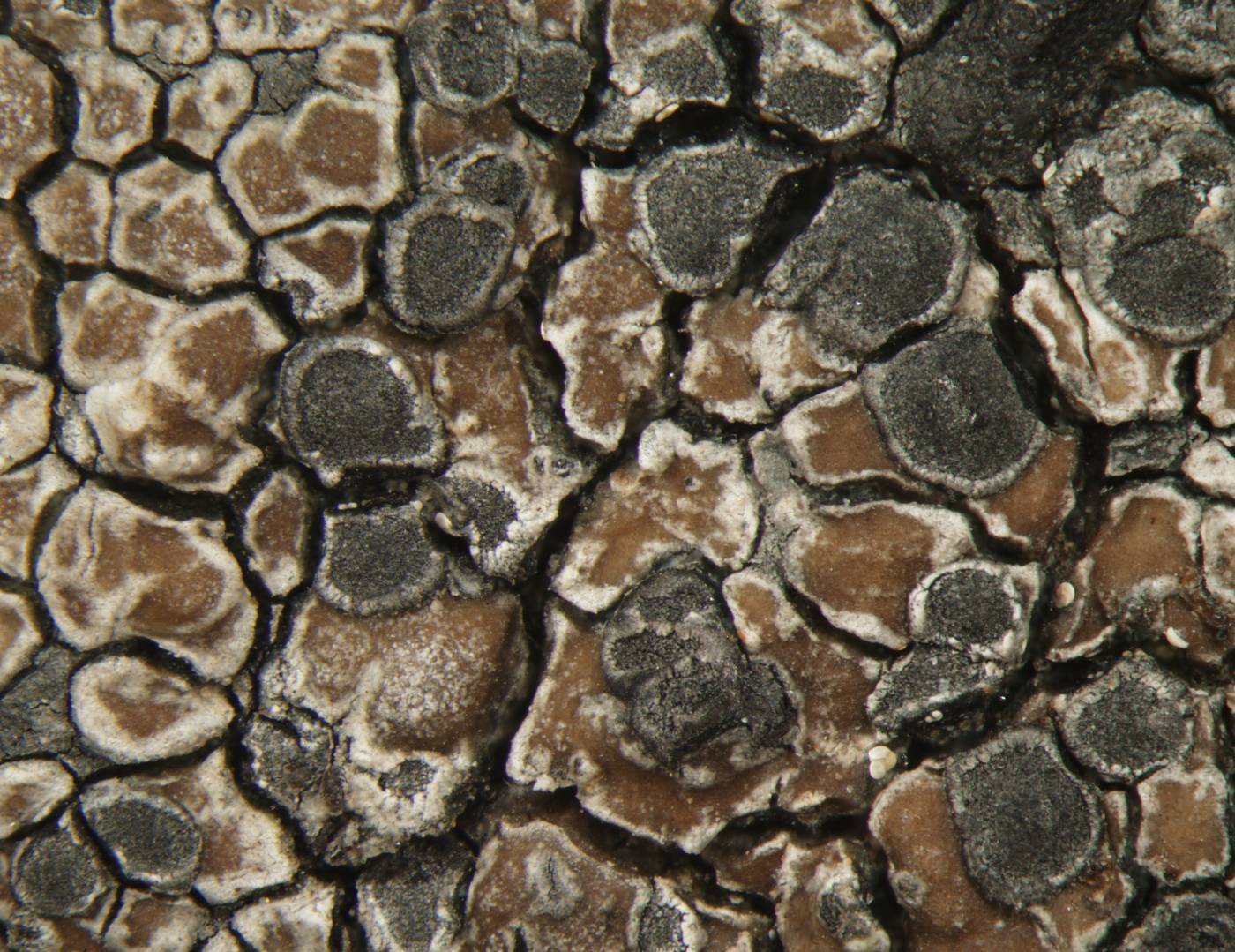
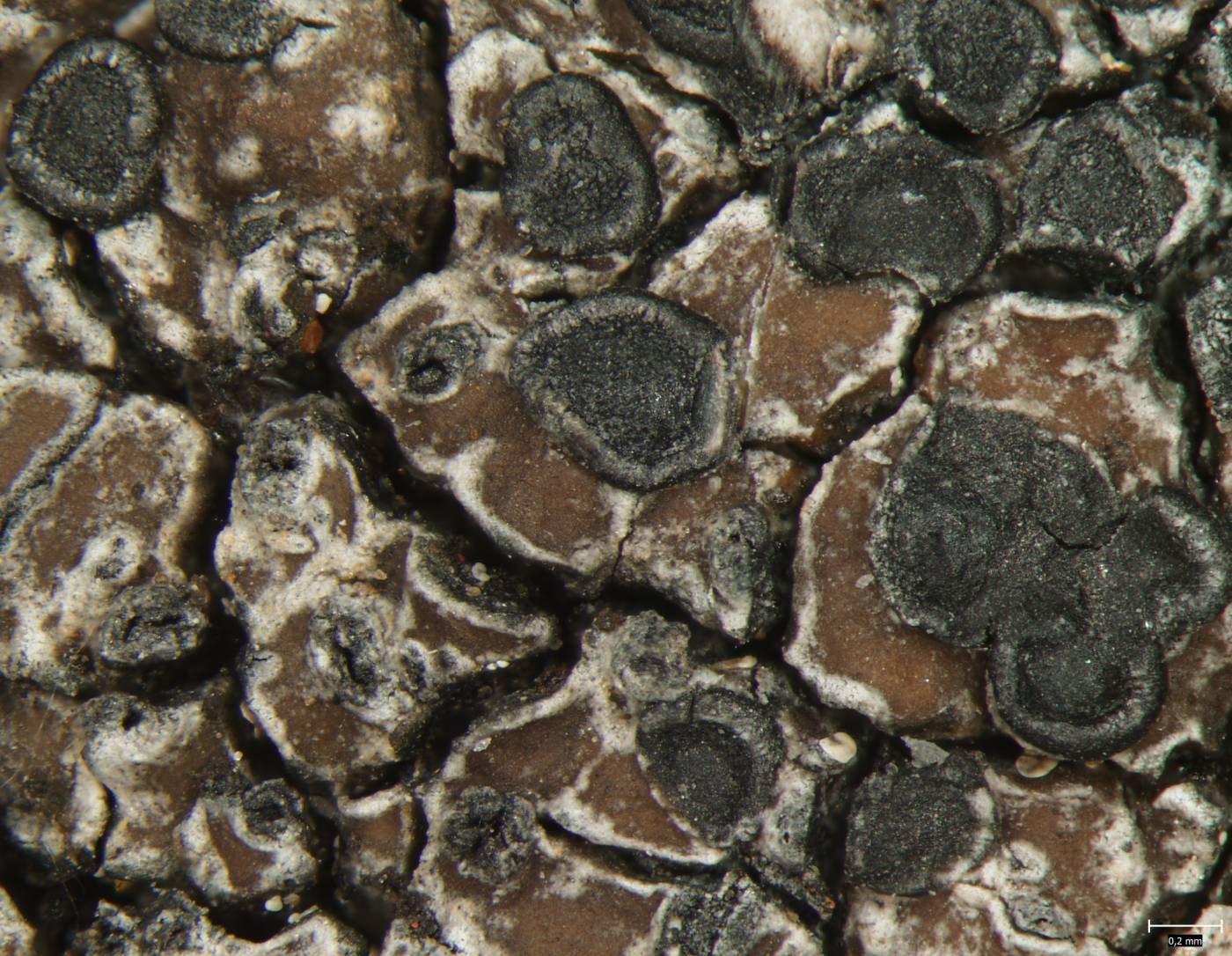
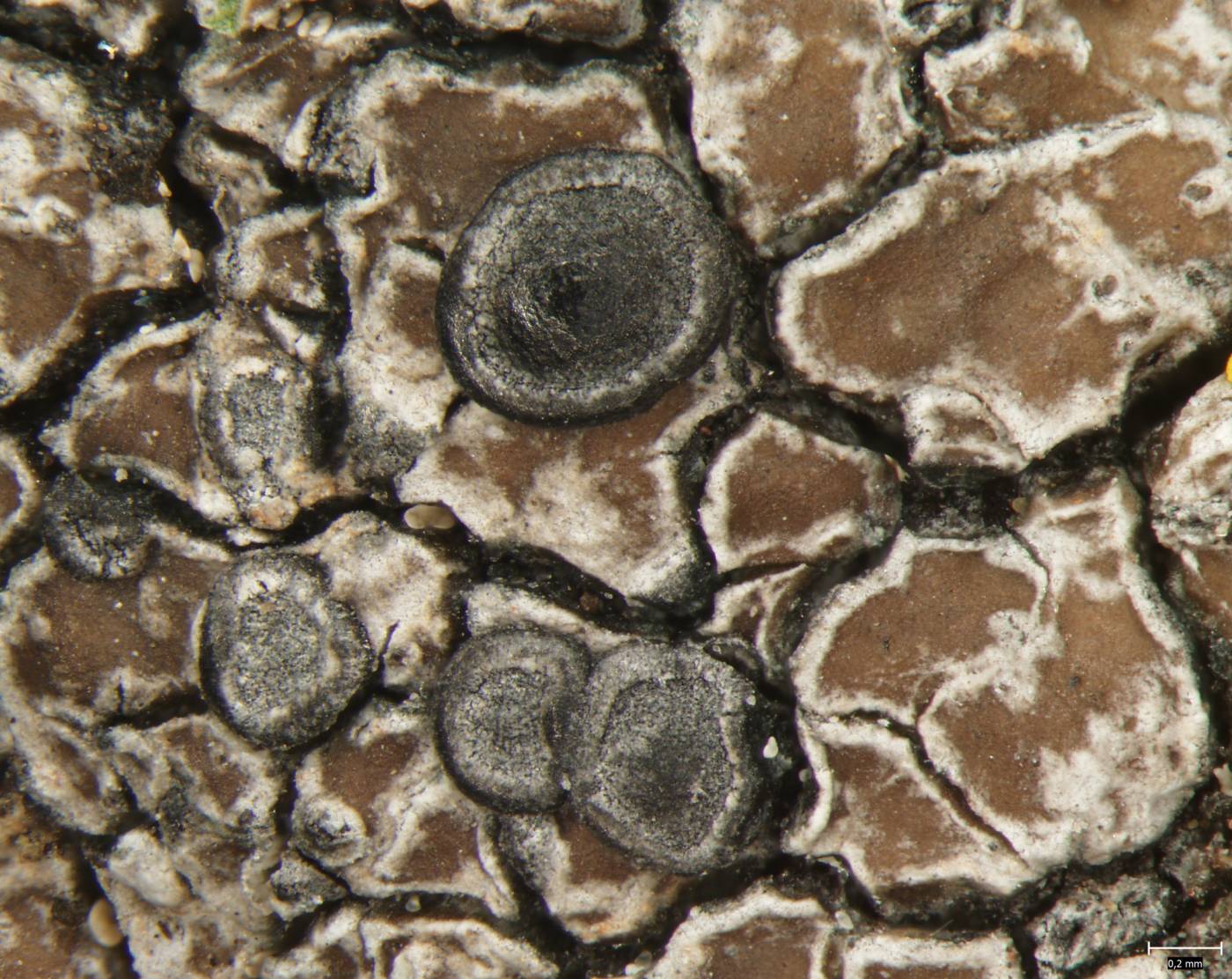
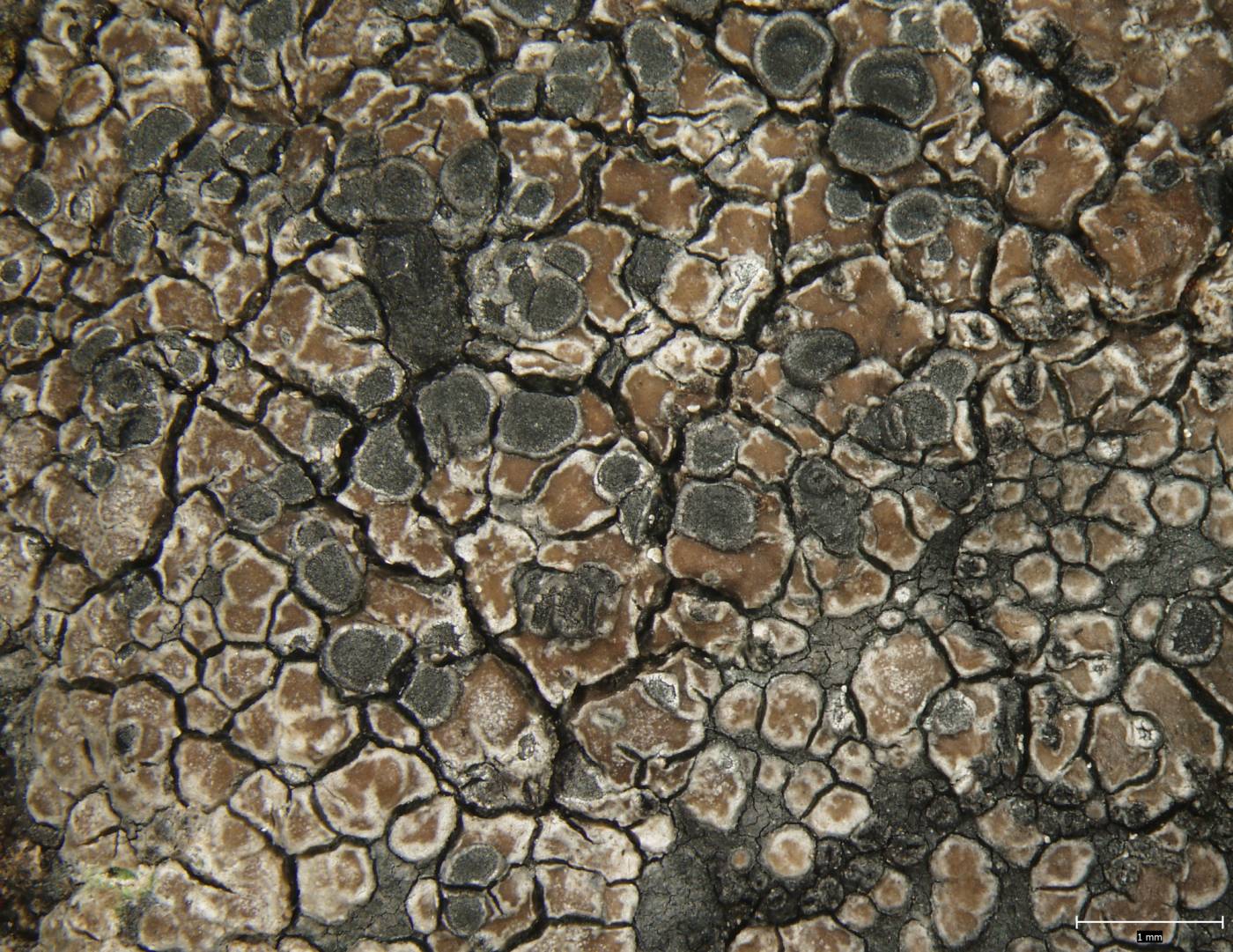
Occurrence in the Czech Republic
All records: 14, confirmed 14. One click on a selected square displays particular record(s), including their source(s).