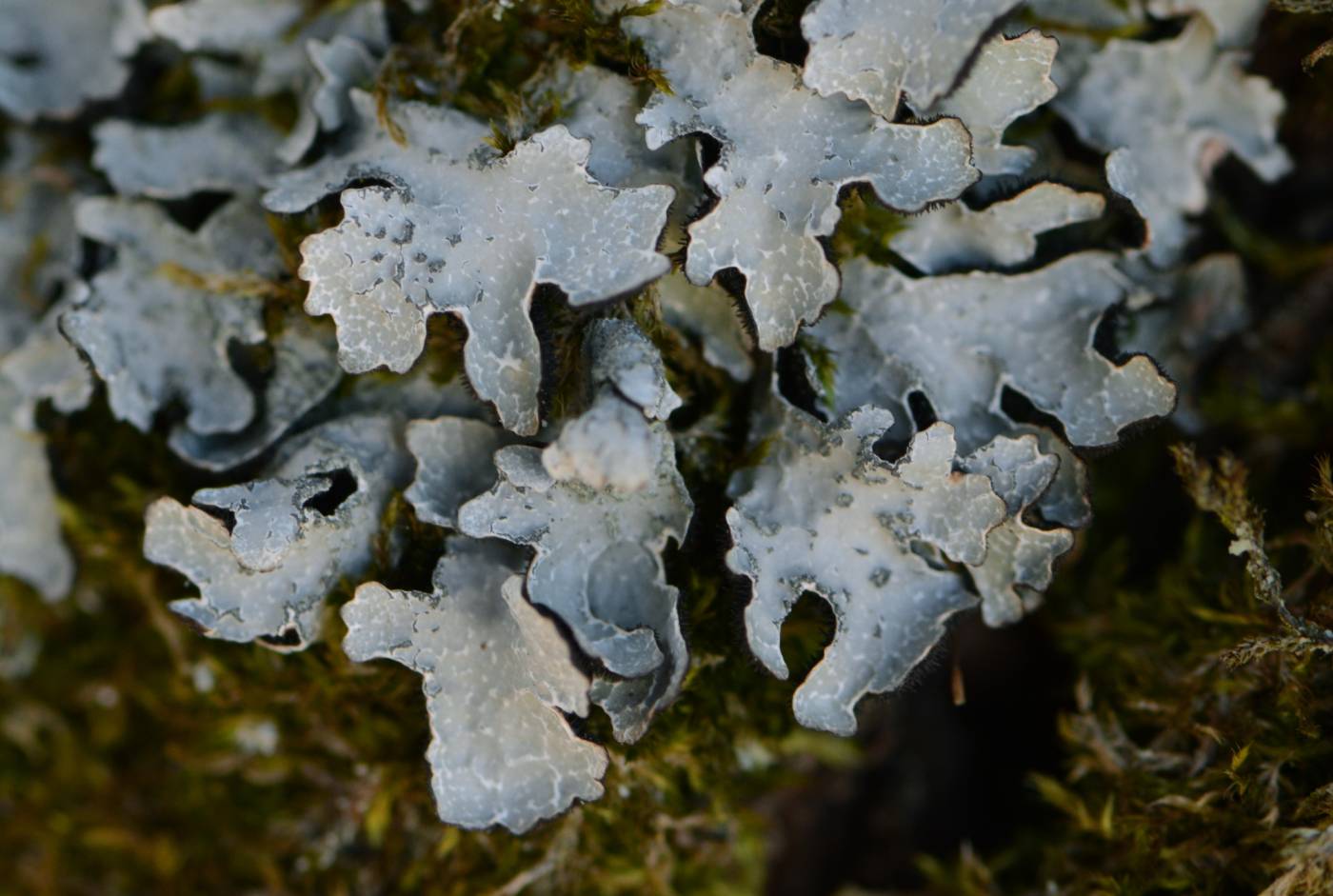
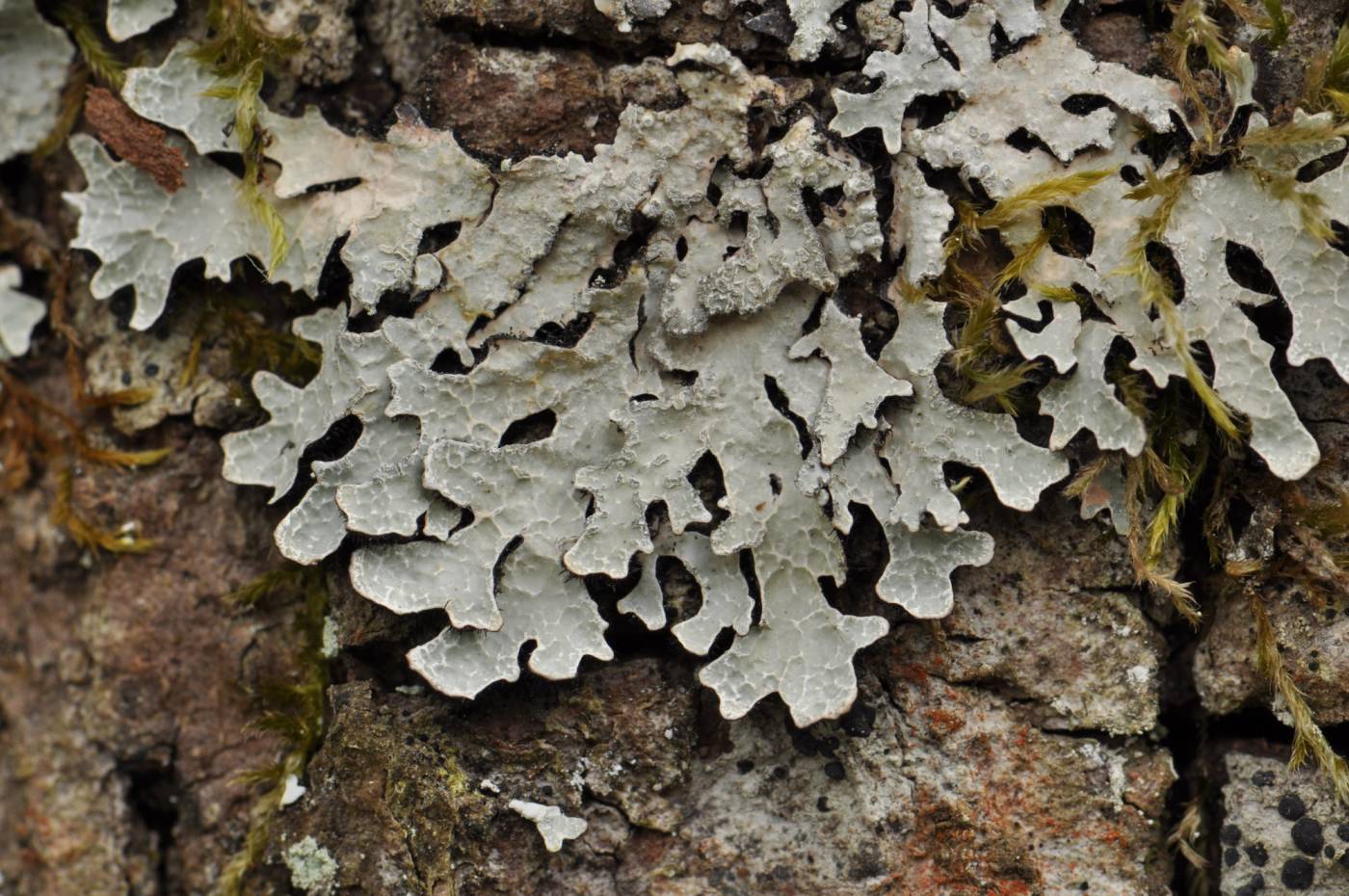
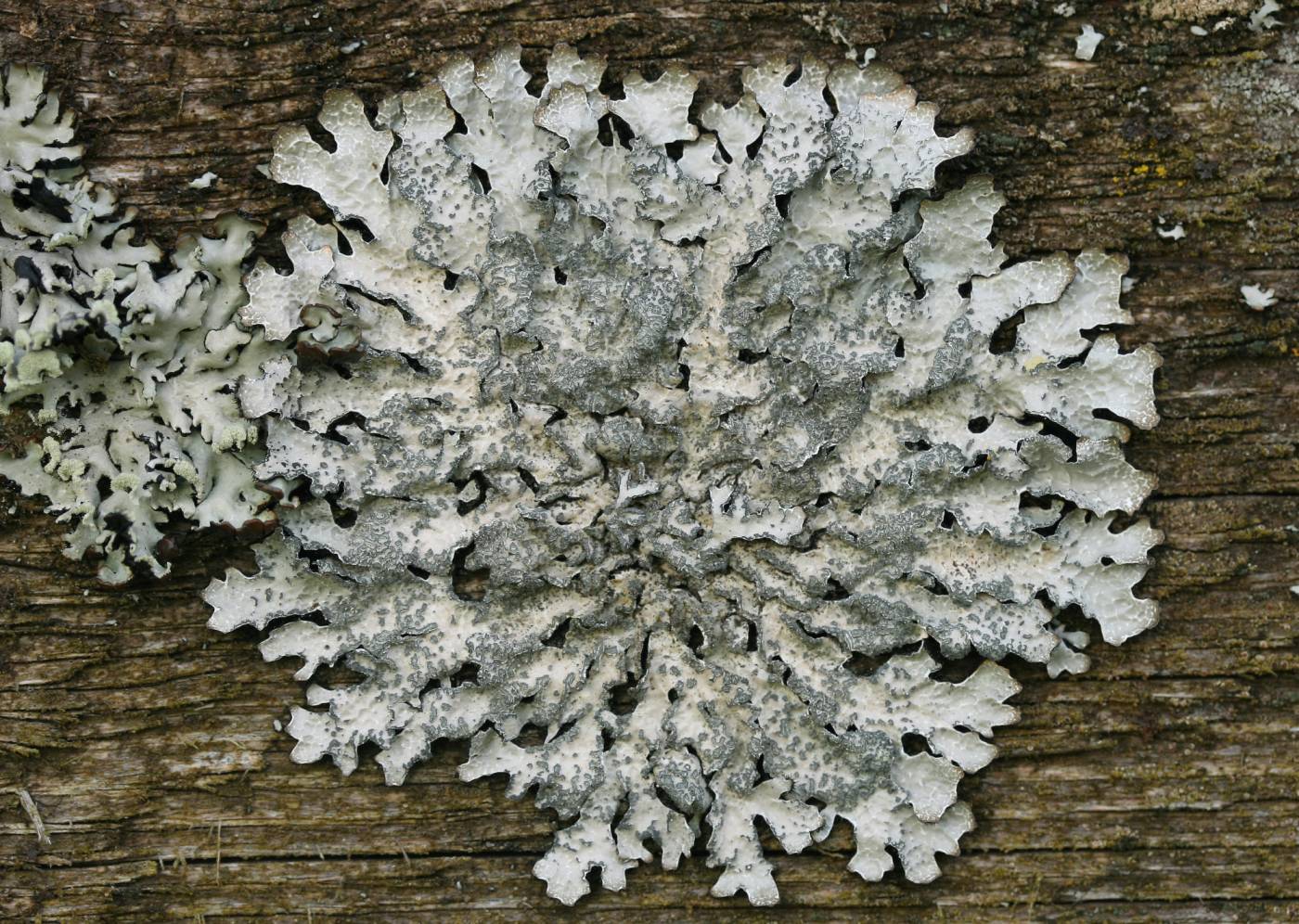
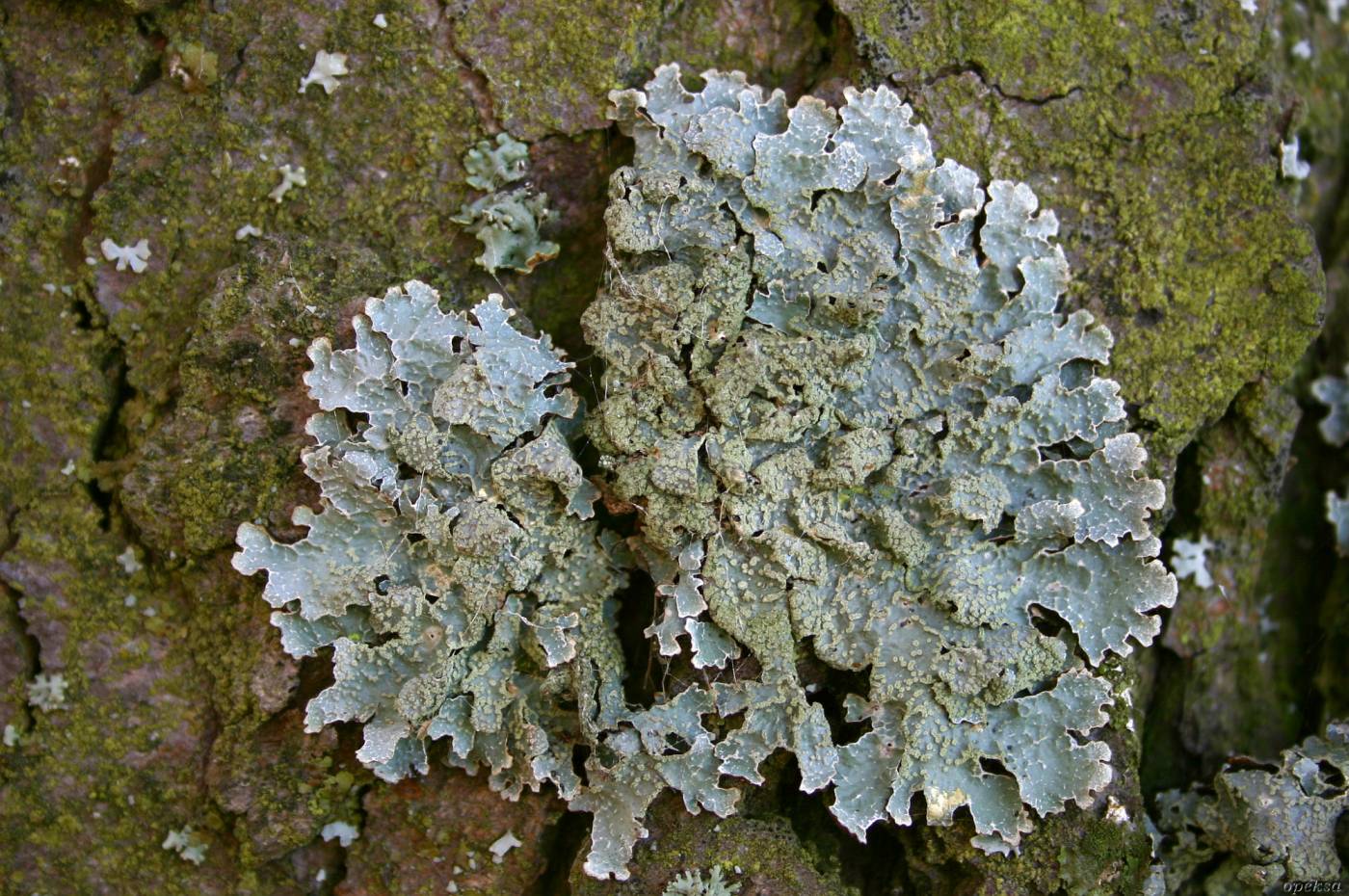
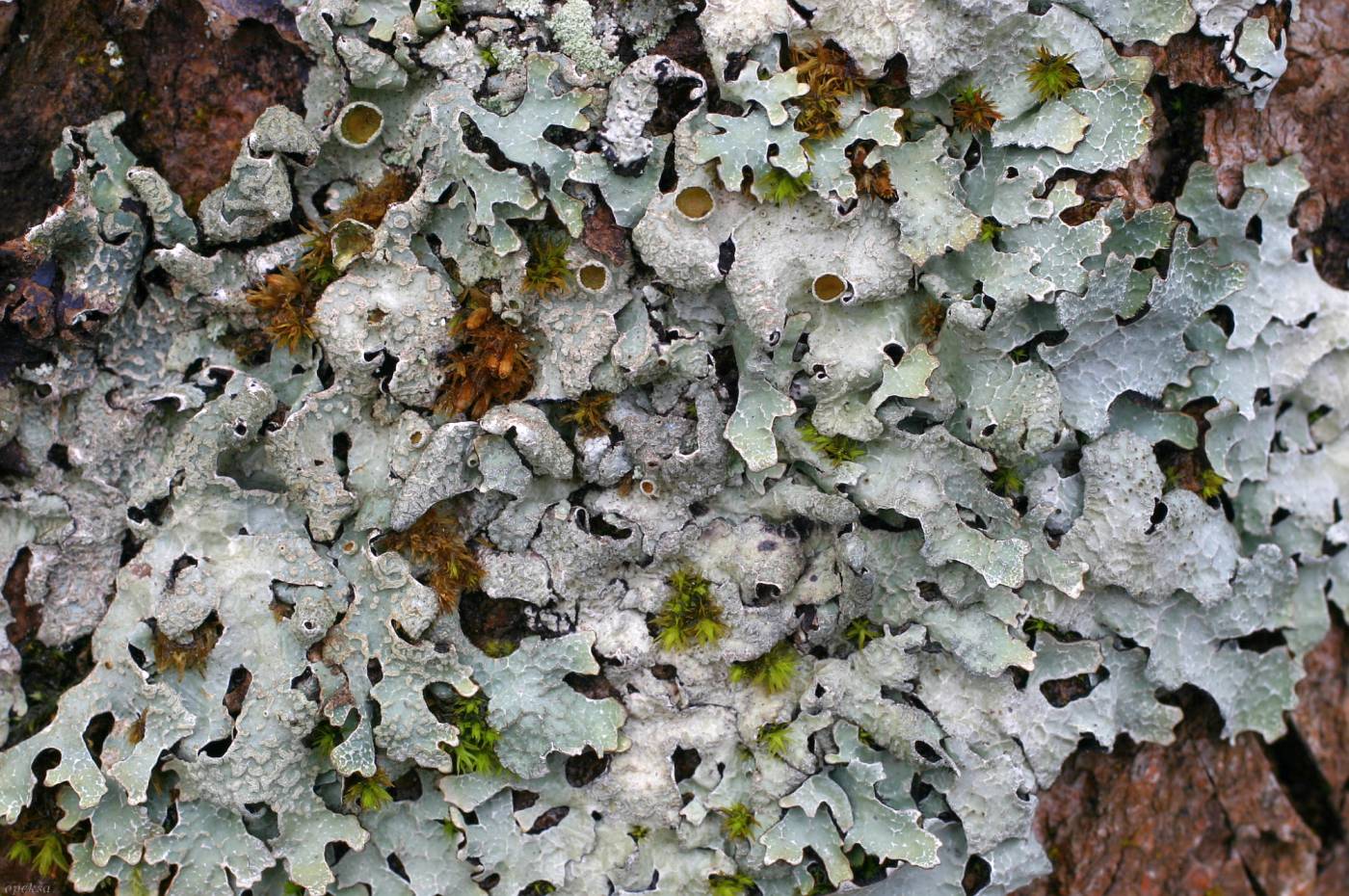
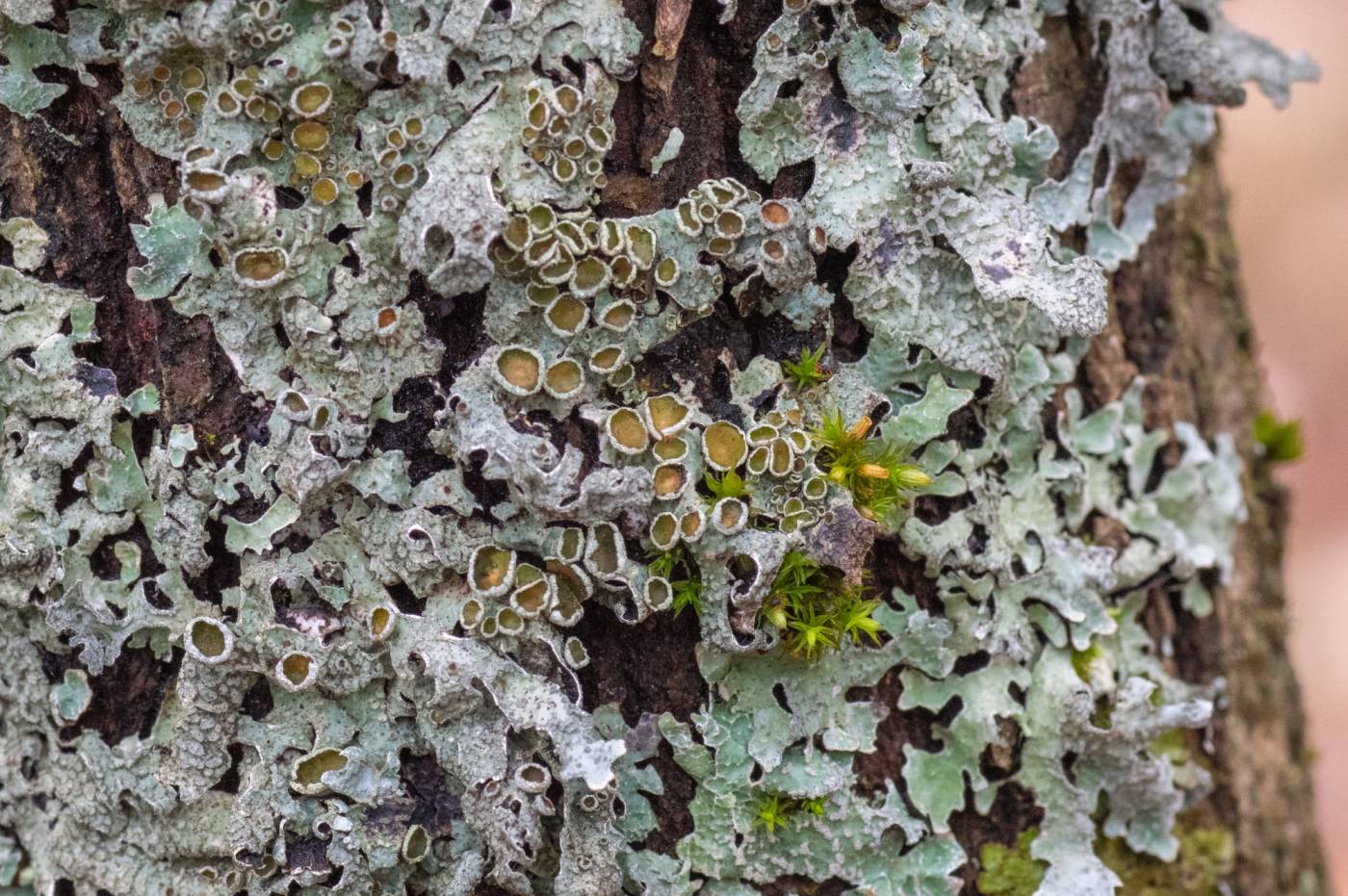
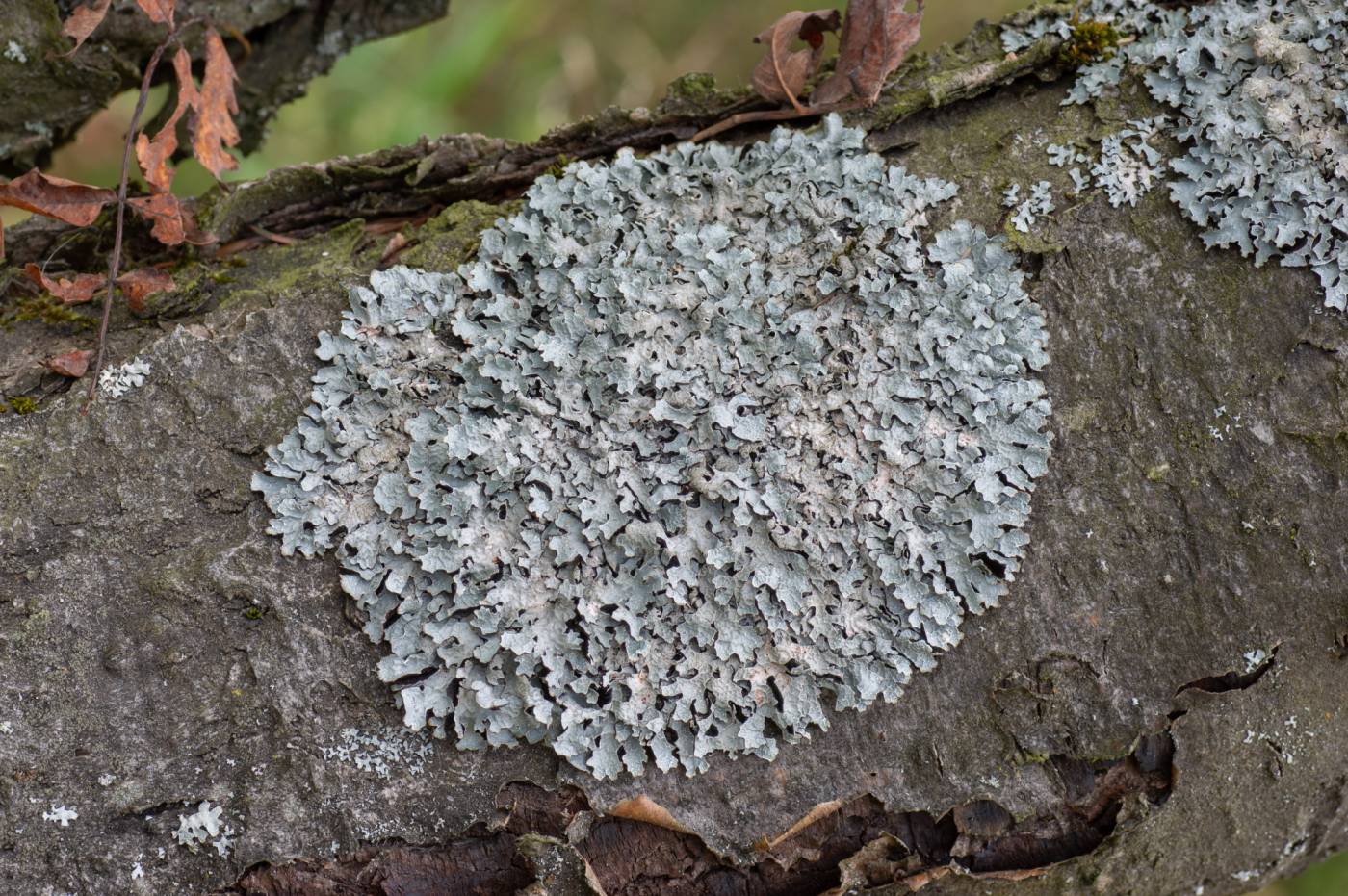
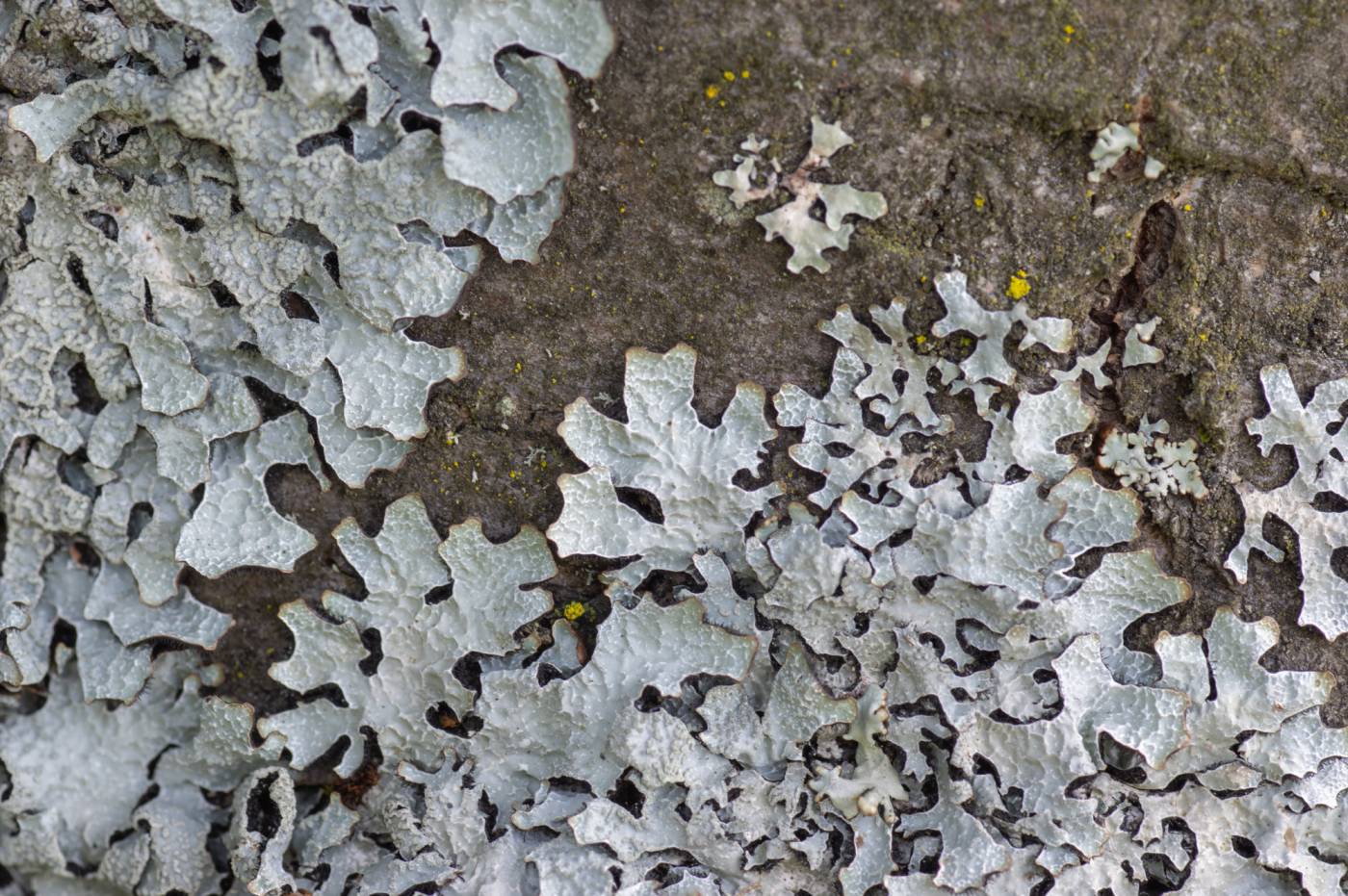
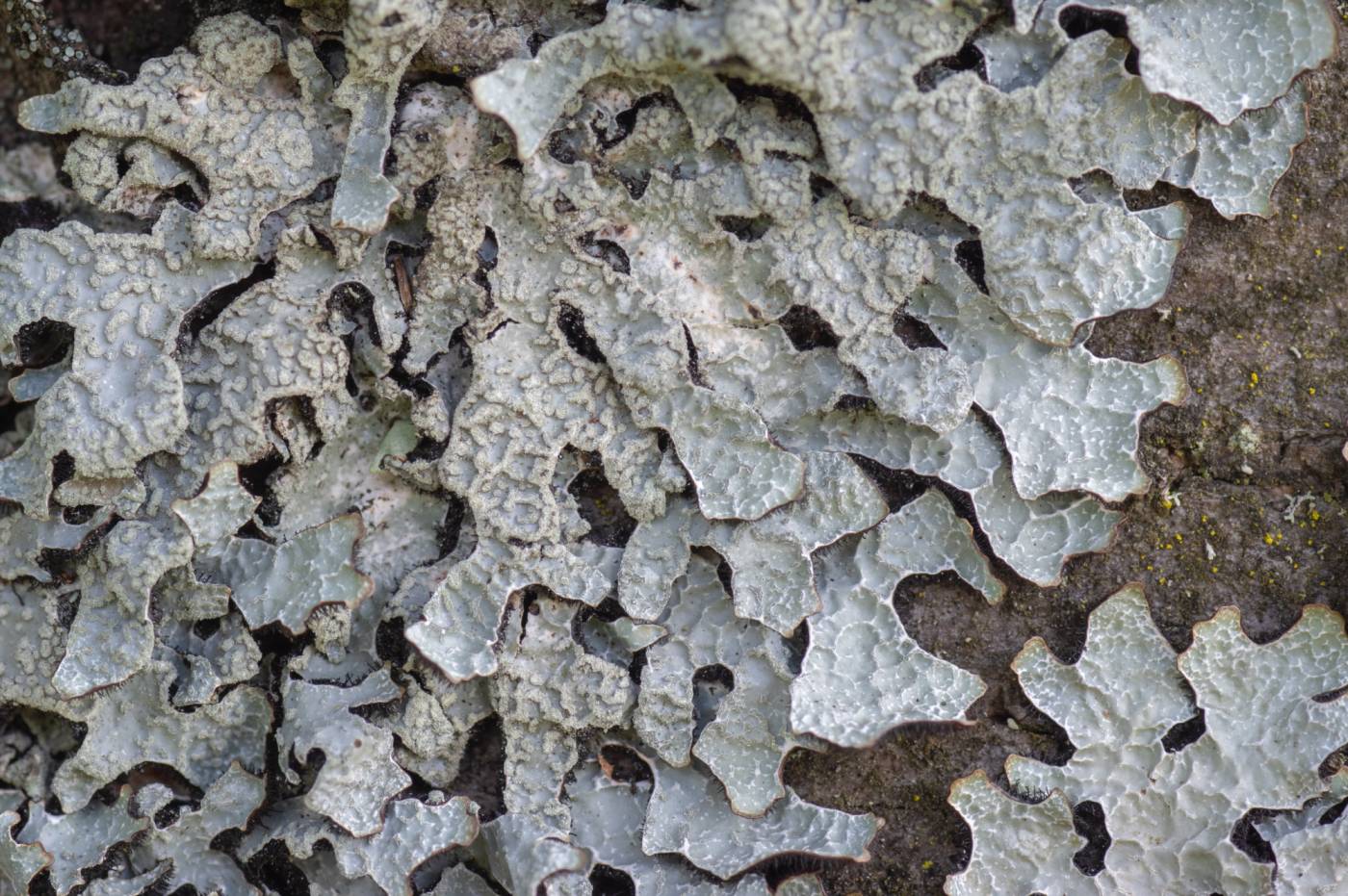
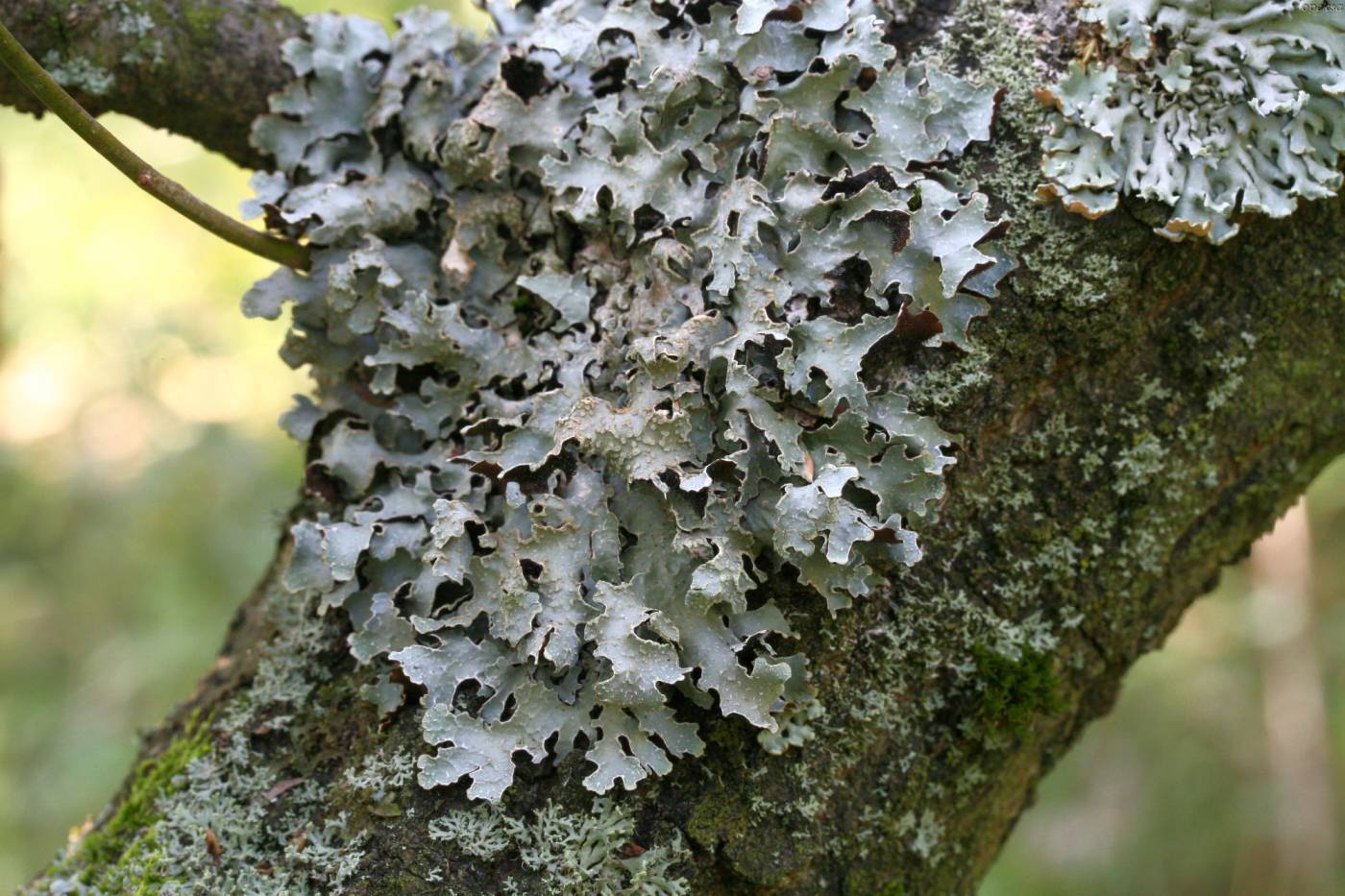
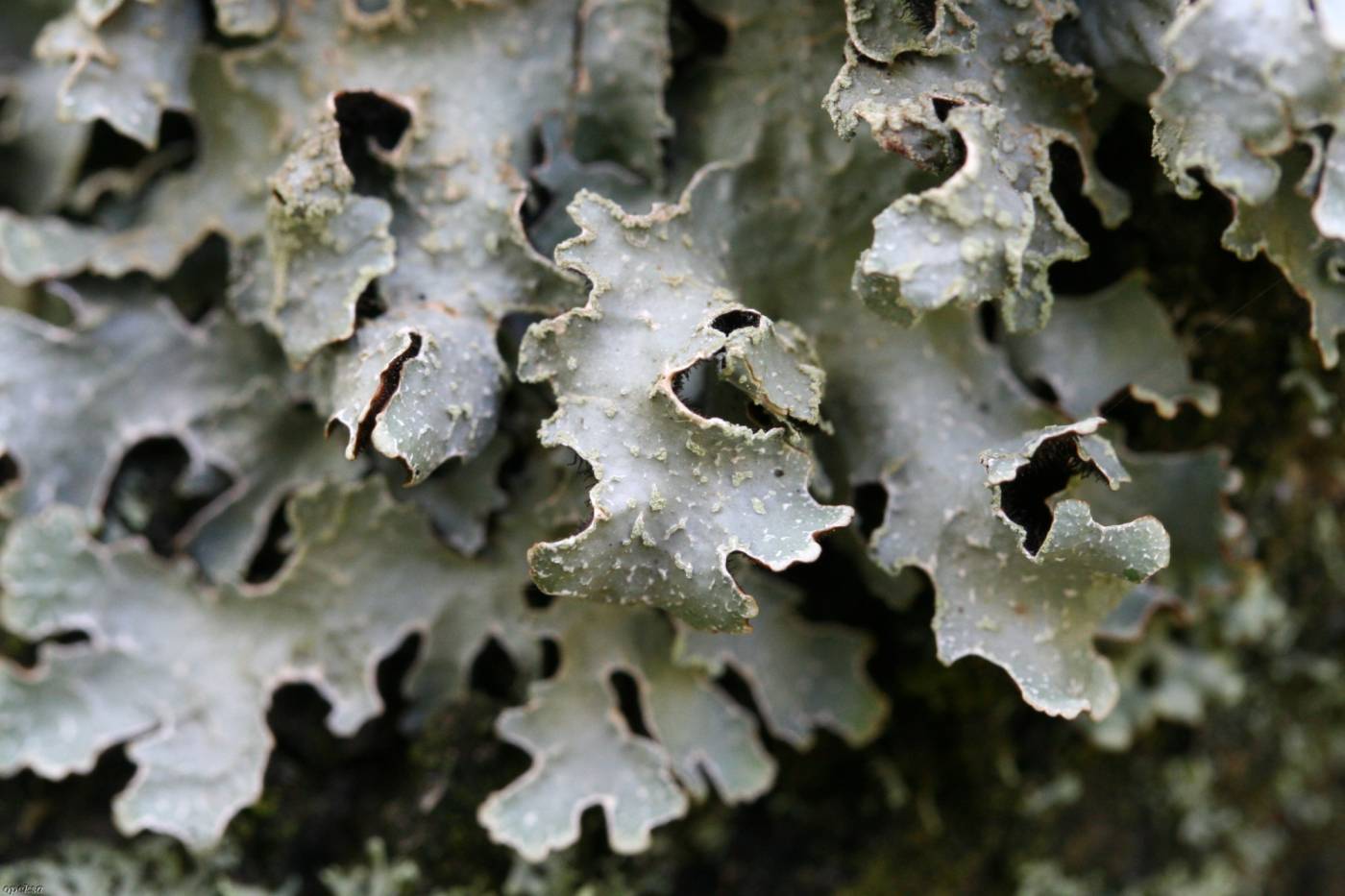
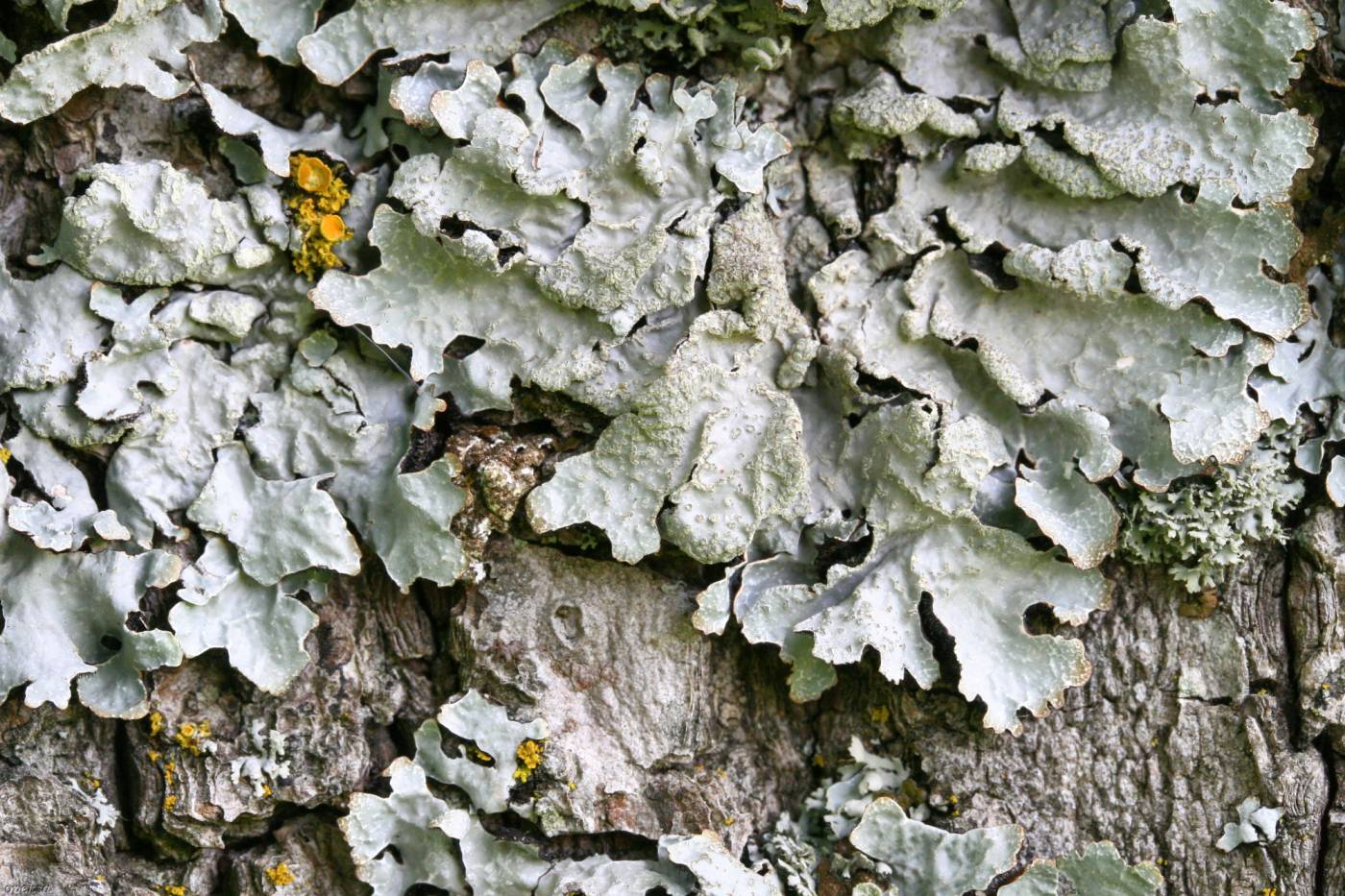
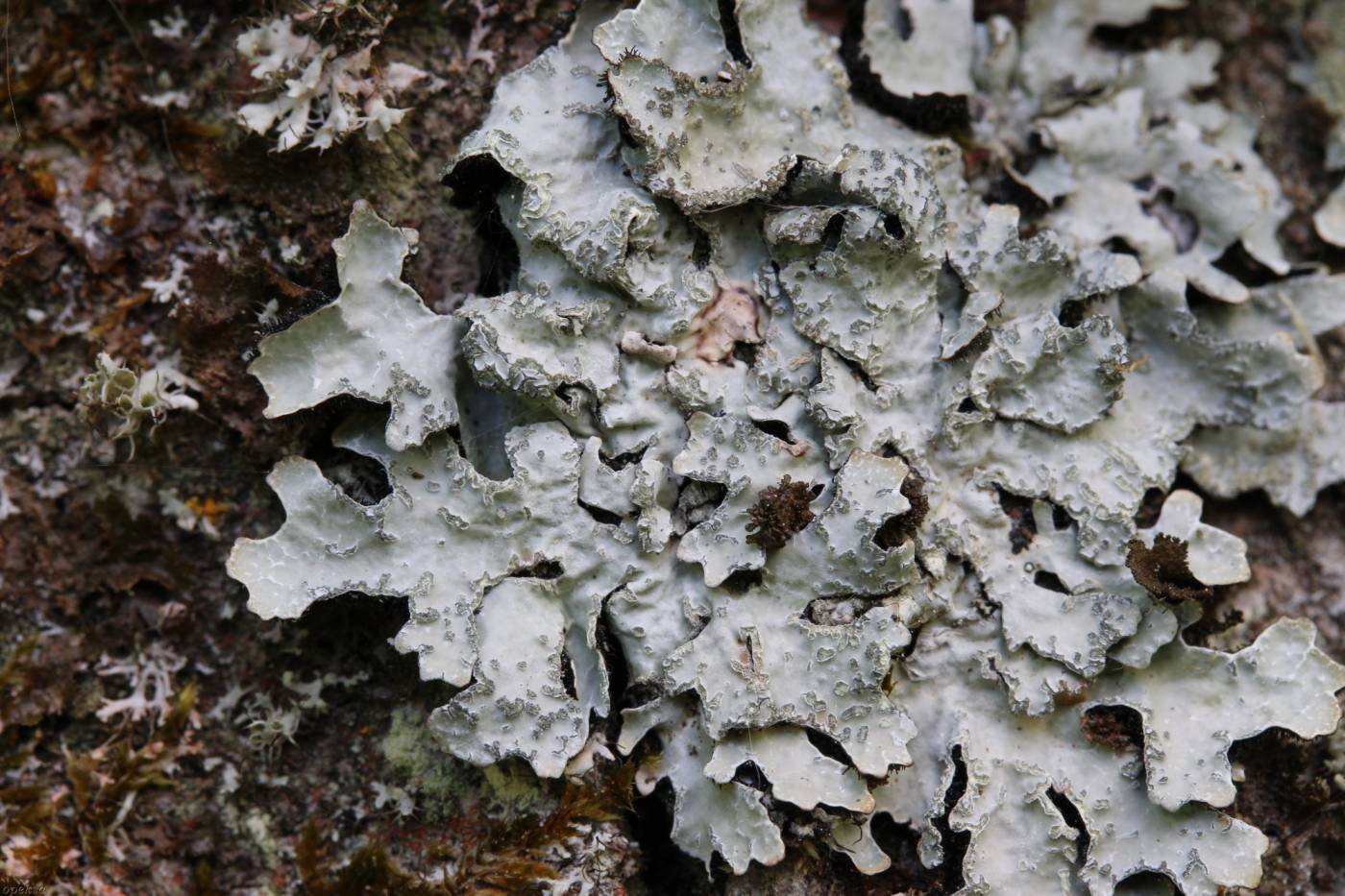
The most common epiphytic member of the genus Parmelia and one of the most abundant foliose lichens in the Czech Republic. The species is widespread from the temperate to subarctic (respectively subantarctic) zone on both hemispheres and all continents. It is usually found on bark of deciduous wooden plants, but it grows also on conifers and sometimes also on wood and rocks (typically under trees). It occurs from lowlands to mountains across the whole Czech Republic. The lichen is not too sensitive to air pollution and therefore may be seen even in cities.
Recently, a few morphologically very similar species have been set apart from the taxon based on molecular data. One of those, P. barrenoae occurs in the Czech Republic as well. A combination of various characteristics (ideally on a well-developed specimens) or DNA is necessary for their reliable identification. In view of the obvious rarity of P. barrenoae, most Czech findings are automatically classified as P. sulcata.
Parmelia sulcata is interesting for its highly conservative choice of a photosynthetic partner, as the vast majority of its populations contain only a single genotype of the algal genus Trebouxia (Ossowska et al. 2024).
Literature: Ossowska E.A., Guzow‑Krzemińska B., Kukwa M., Malíček J., Schiefelbein U., Thell A. & Kosecka M. (2024): The application of haplotypes instead of species‑level ranks modifies the interpretation of ecological preferences in lichen symbiont interactions in Parmelia. – Scientific Reports 14: 19682 [11 p.].
taxonomic classification:Ascomycota → Lecanoromycetes → Lecanorales → Parmeliaceae → Parmelia
Red List (Liška & Palice 2010):LC – least concern
Occurrence in the Czech Republic
All records: 2026, confirmed 1269. One click on a selected square displays particular record(s), including their source(s).