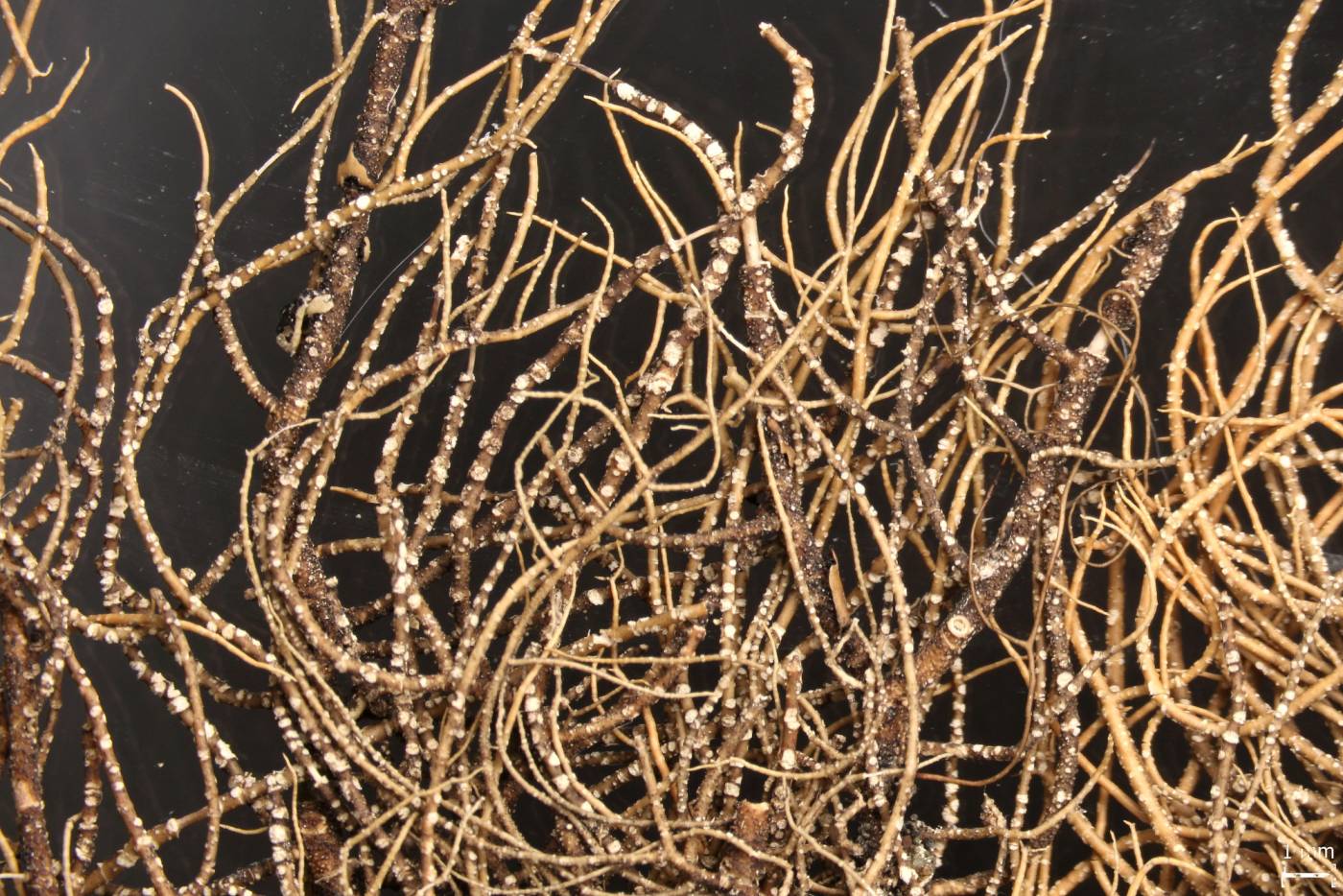
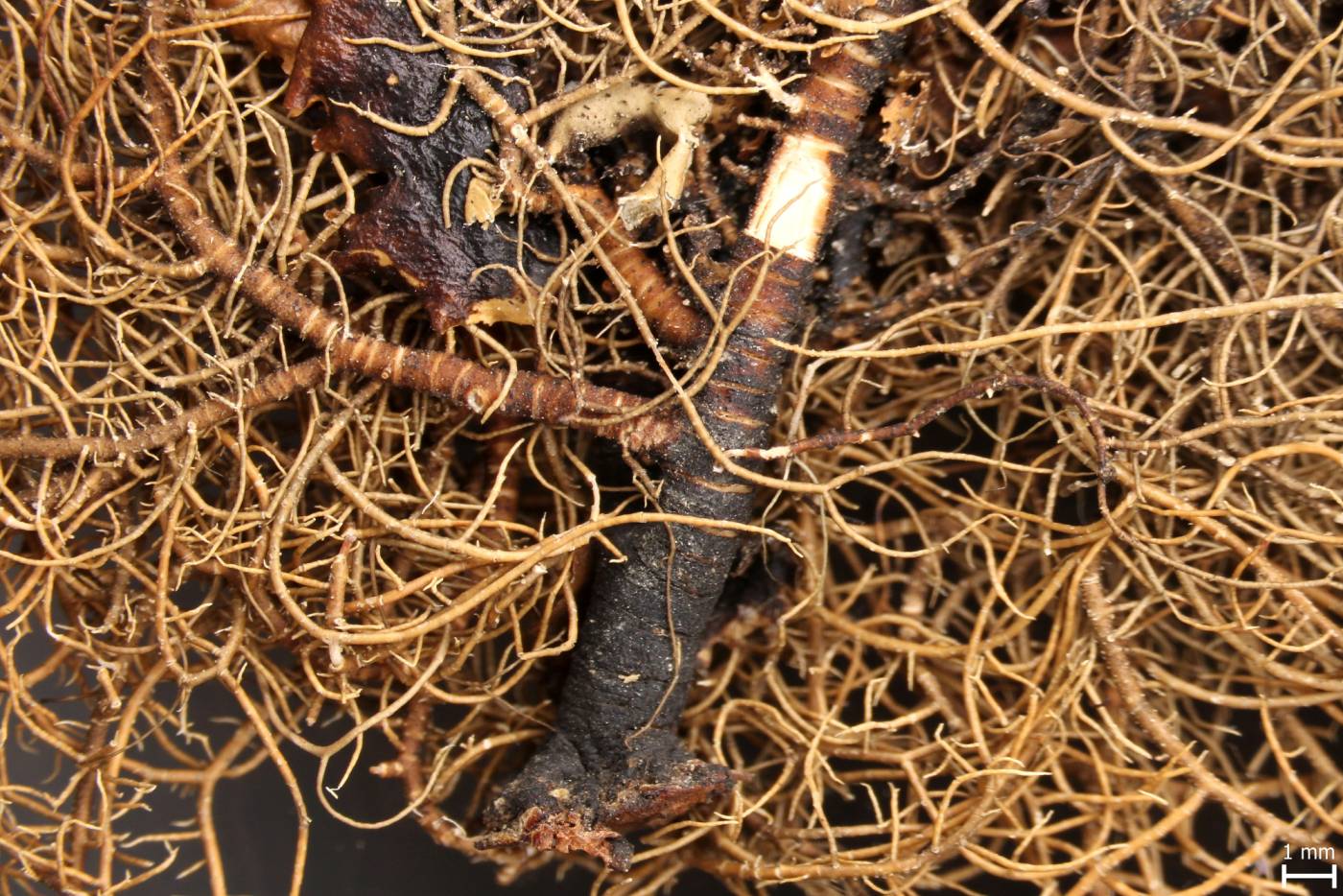
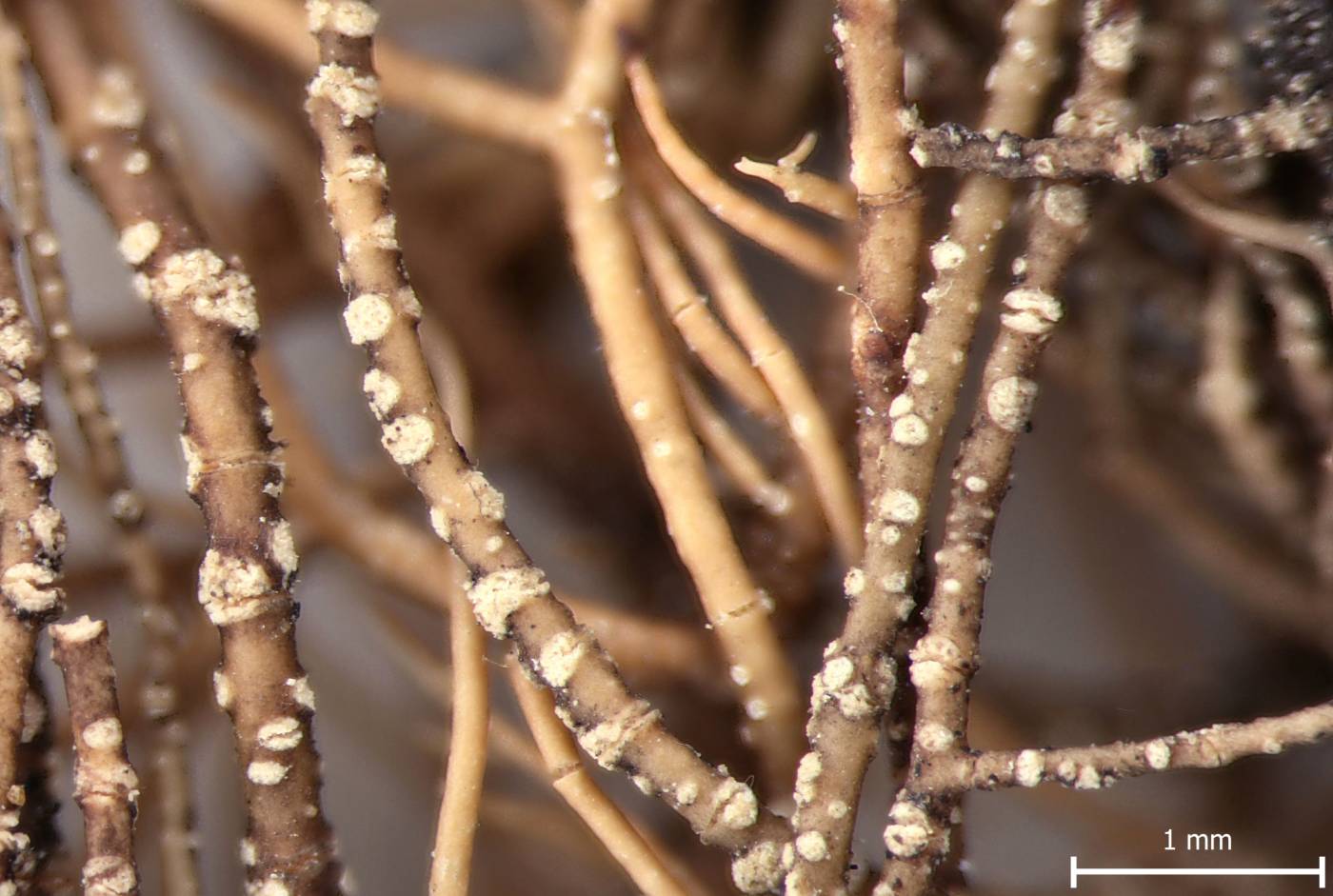
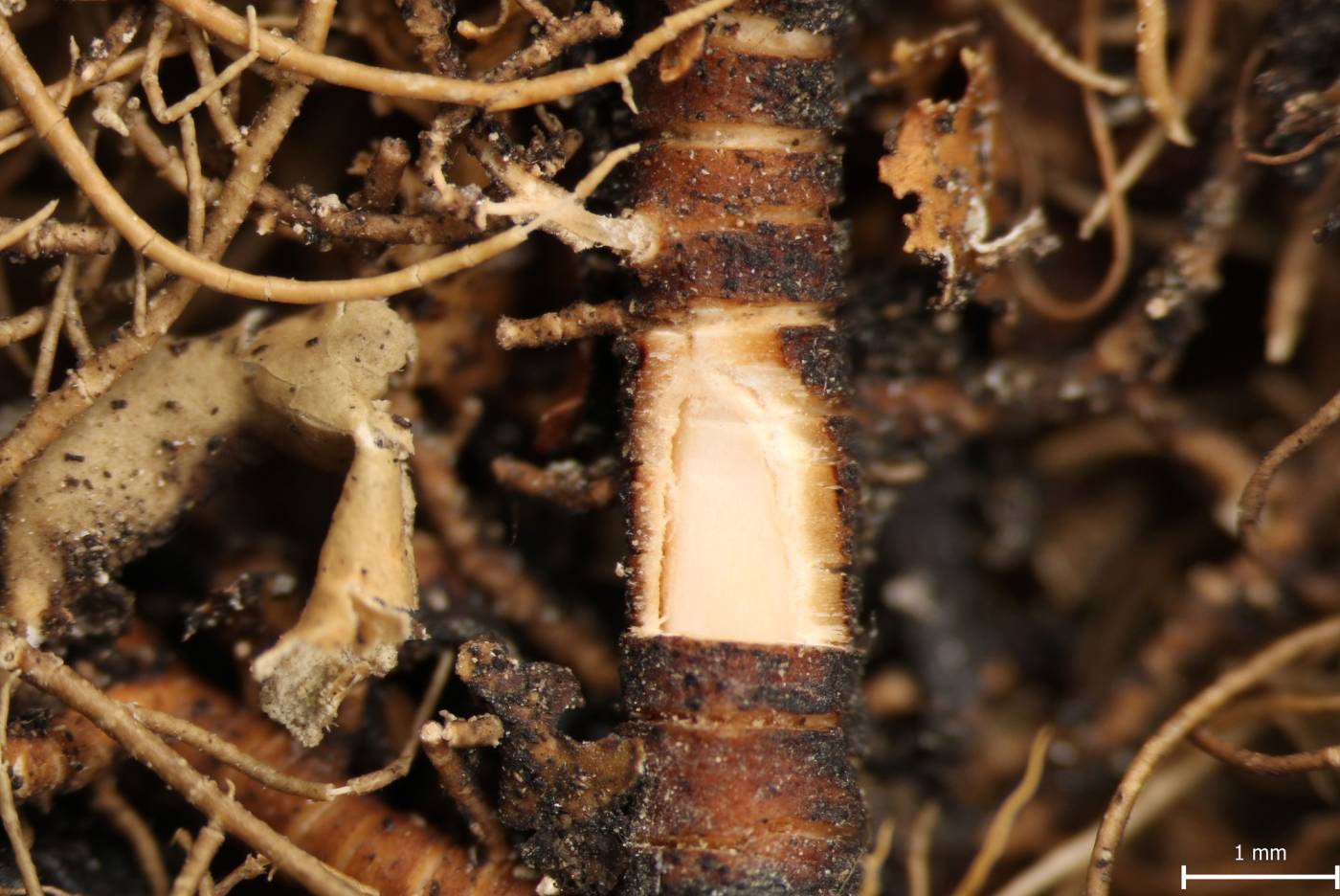
The species is characterized by a shrubby to partly pendent thallus, with isotomic-dichotomous branching, a blackened base, numerous transverse cracks on older parts of the thallus, and round to transversely oval soralia that bear isidia only at an early stage. The cortex and the medullary axis are thick, while the medulla is thin. Among Czech shrubby Usnea species with isotomic-dichotomous branching, it differs, among other traits, in the presence of salazinic acid.
Usnea silesiaca is an oceanic taxon. In Europe it occurs rarely, confined to precipitation-rich areas in the western part of the continent, reaching eastward only sporadically as far as the Carpathians. Compared to the past, the species has disappeared from many sites and is now considered missing in some countries, including Poland, where the type specimen originated. It is more frequent in Macaronesia and also occurs in Asia and North America. From the Czech Republic U. silesiaca is so far known only from a single historical specimen, collected by E. Bayer in 1904 on beech on Mt. Ždánidla in the Šumava Mountains.
Literature: Šoun J. (2025): Usnea silesiaca, nový druh provazovky pro Českou republiku [Usnea silesiaca, a beard lichen species new to the Czech Republic]. – Bryonora 75: 17–23.
taxonomic classification:Ascomycota → Lecanoromycetes → Lecanorales → Parmeliaceae → Usnea
Occurrence in the Czech Republic
All records: 1, confirmed 1. One click on a selected square displays particular record(s), including their source(s).