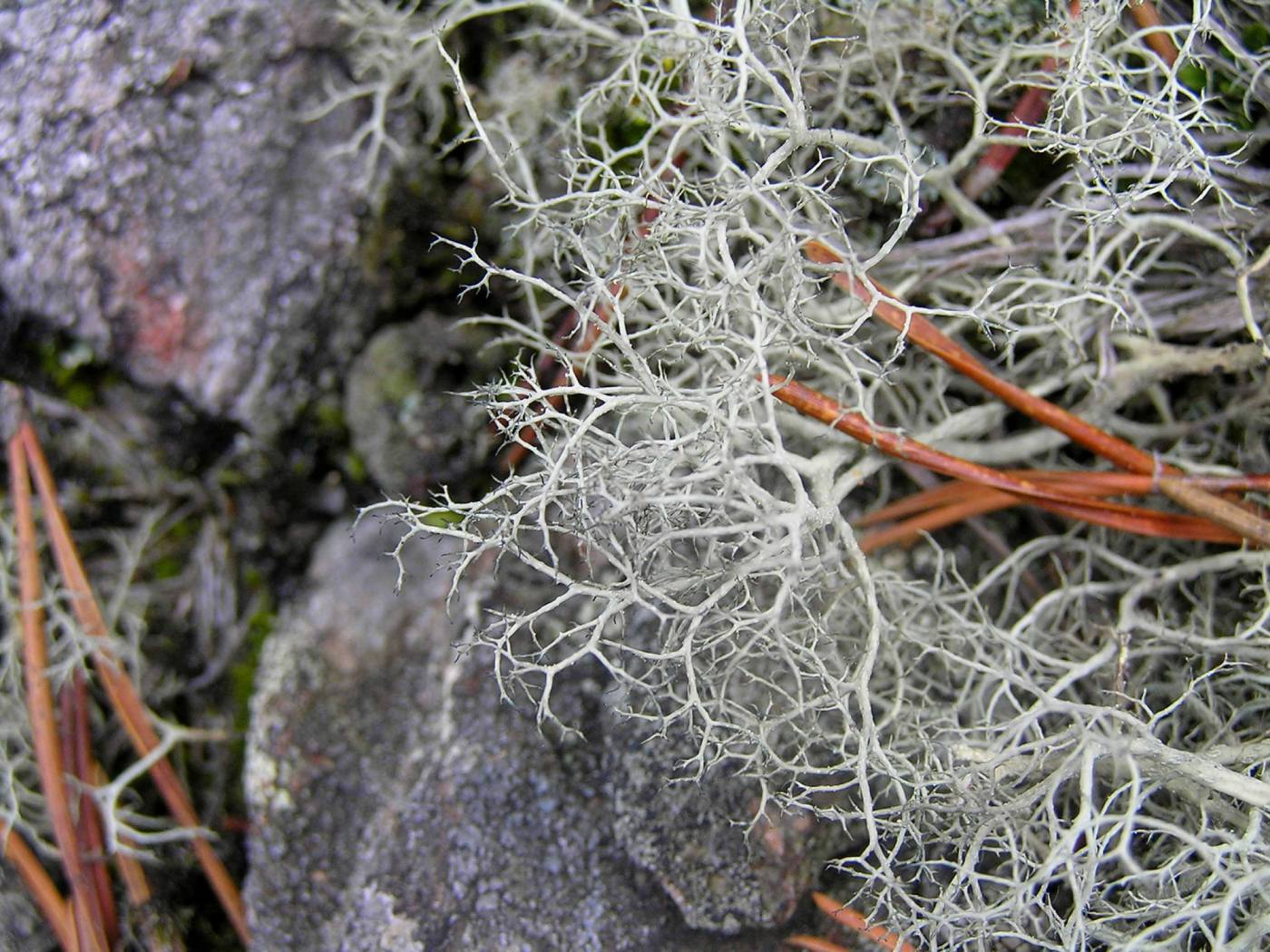
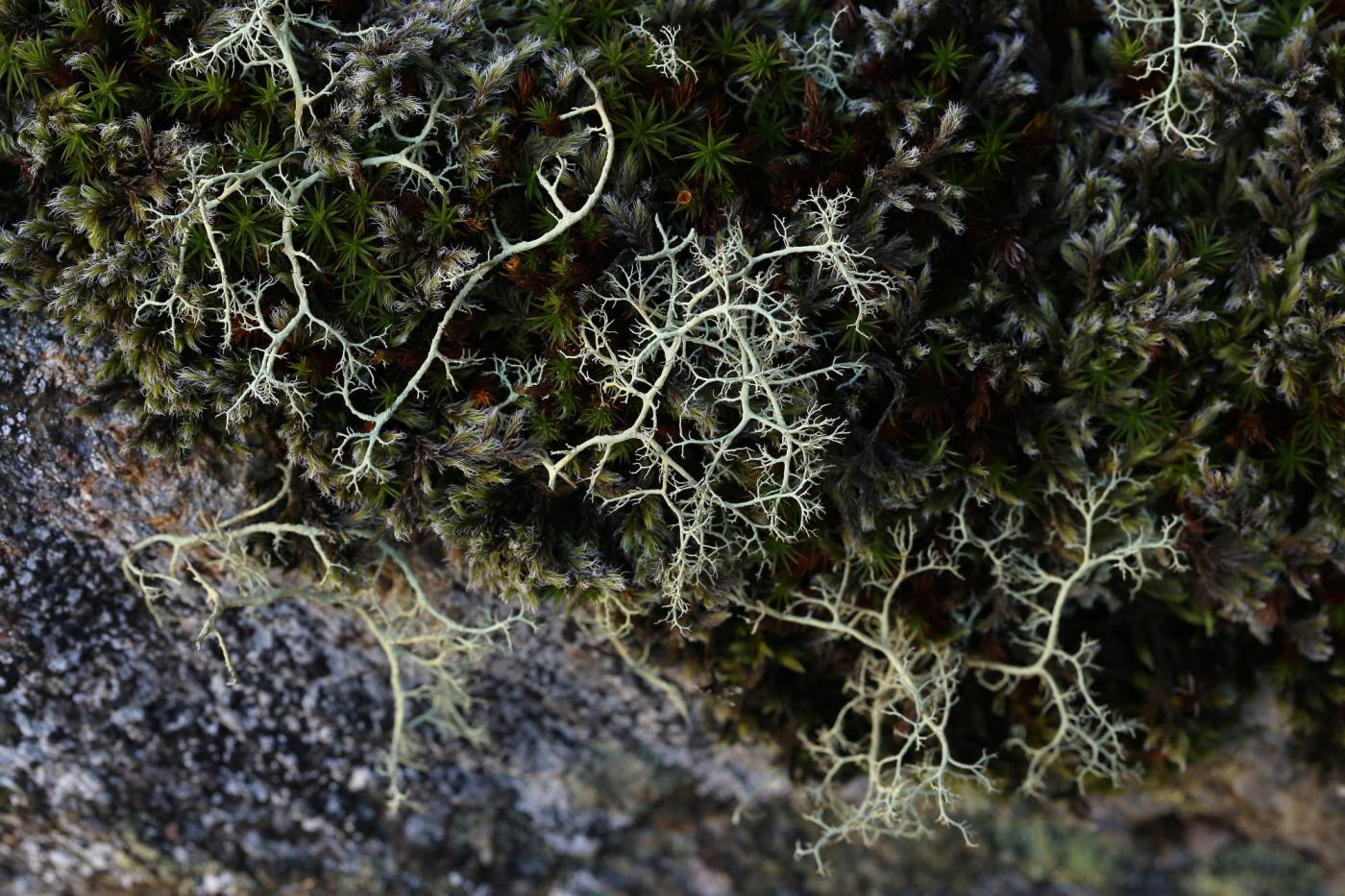
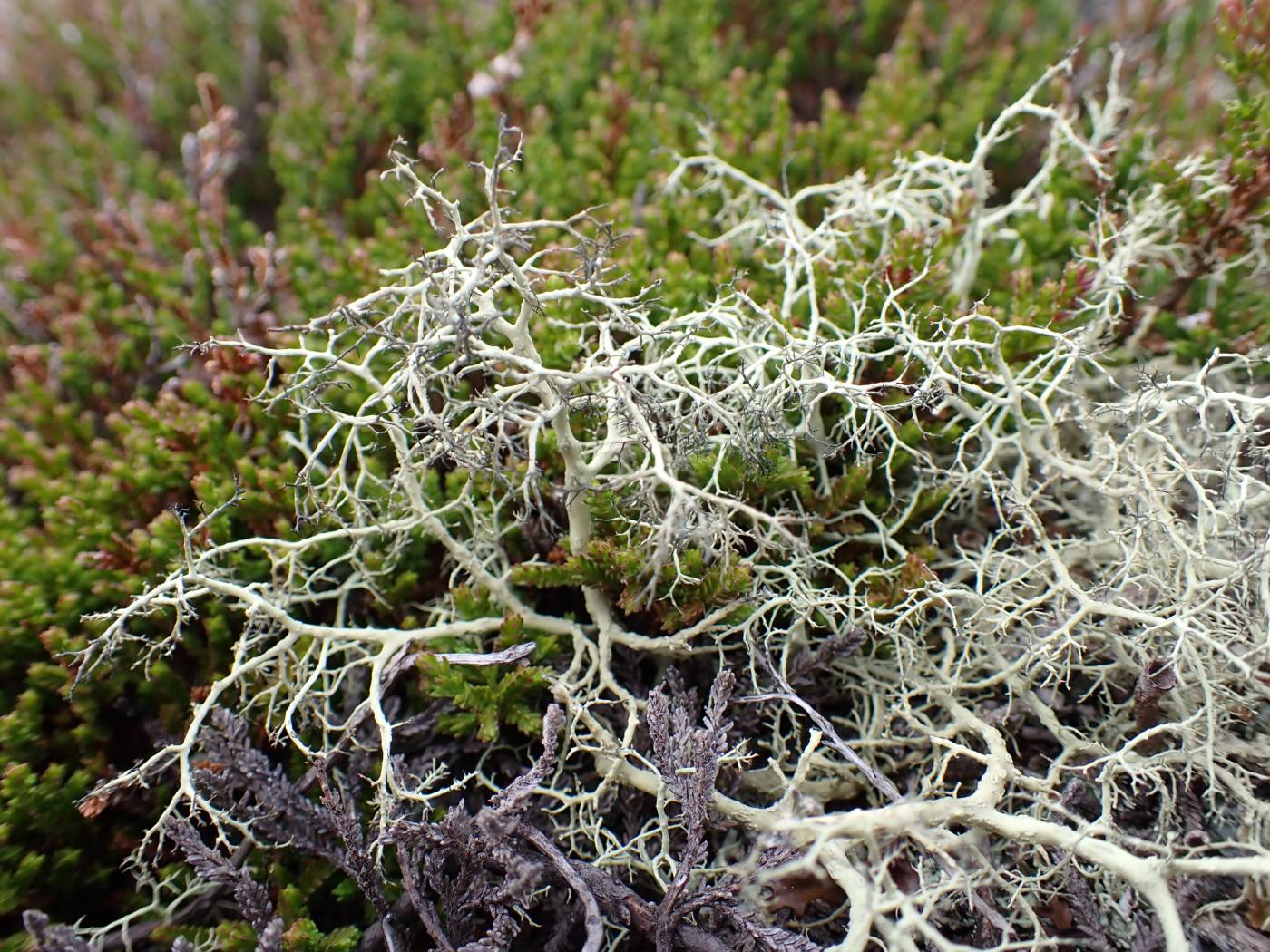
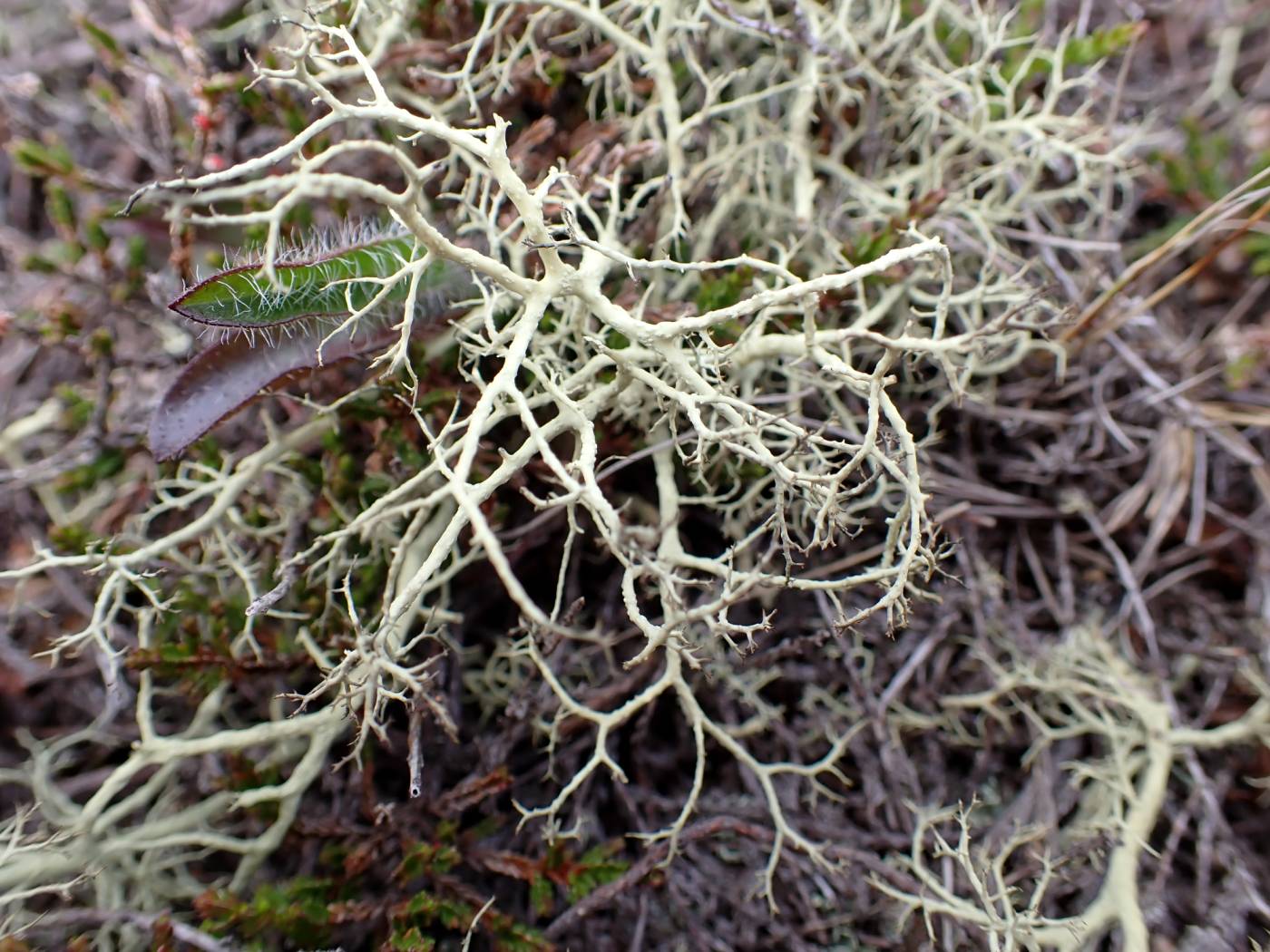
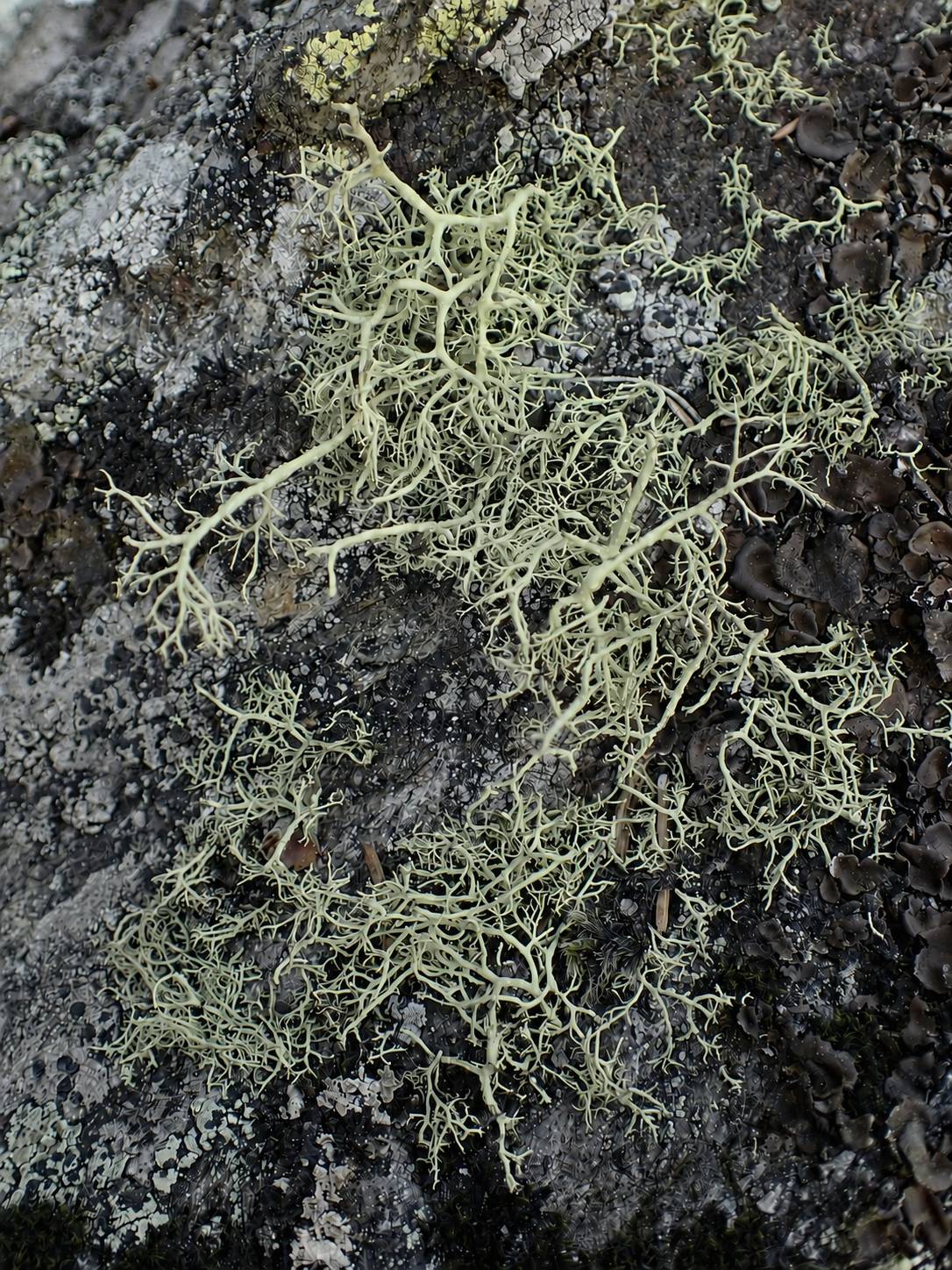
This Arctic–alpine species is the more common of the two terricolous members of the genus Alectoria occurring in the Czech Republic. It differs from A. nigricans in its greenish-yellow colour and chemistry, containing usnic and diffractaic acids. Its overall distribution encompasses Europe, Asia, North and South America, and Antarctica. In the Czech Republic, it has been reported from the highest mountain ranges of the Bohemian Massif: the Šumava, Krkonoše, Králický Sněžník and Hrubý Jeseník Mts. It occurs mainly above the treeline in windswept sites with sparse vegetation, occasionally on scree slopes in slightly lower elevations. The Krkonoše Mts are the only range with several recently confirmed localities. In the Hrubý Jeseník Mts, the last single thalli survive on Mt Vozka and at Tabulové skály on Mt Praděd. Its current status in the Šumava and Králický Sněžník Mts is unknown. A noteworthy occurrence is found in a cold-air inversion sandstone gorge in the Adršpach–Teplice Rocks. Overall, the species is threatened by climate change and eutrophication, which promote the encroachment of its habitats by vascular plants.
taxonomic classification:Ascomycota → Lecanoromycetes → Lecanorales → Parmeliaceae → Alectoria
Red List (Liška & Palice 2010):VU – vulnerable
Red List (Malíček 2023):C1 – critically endangered
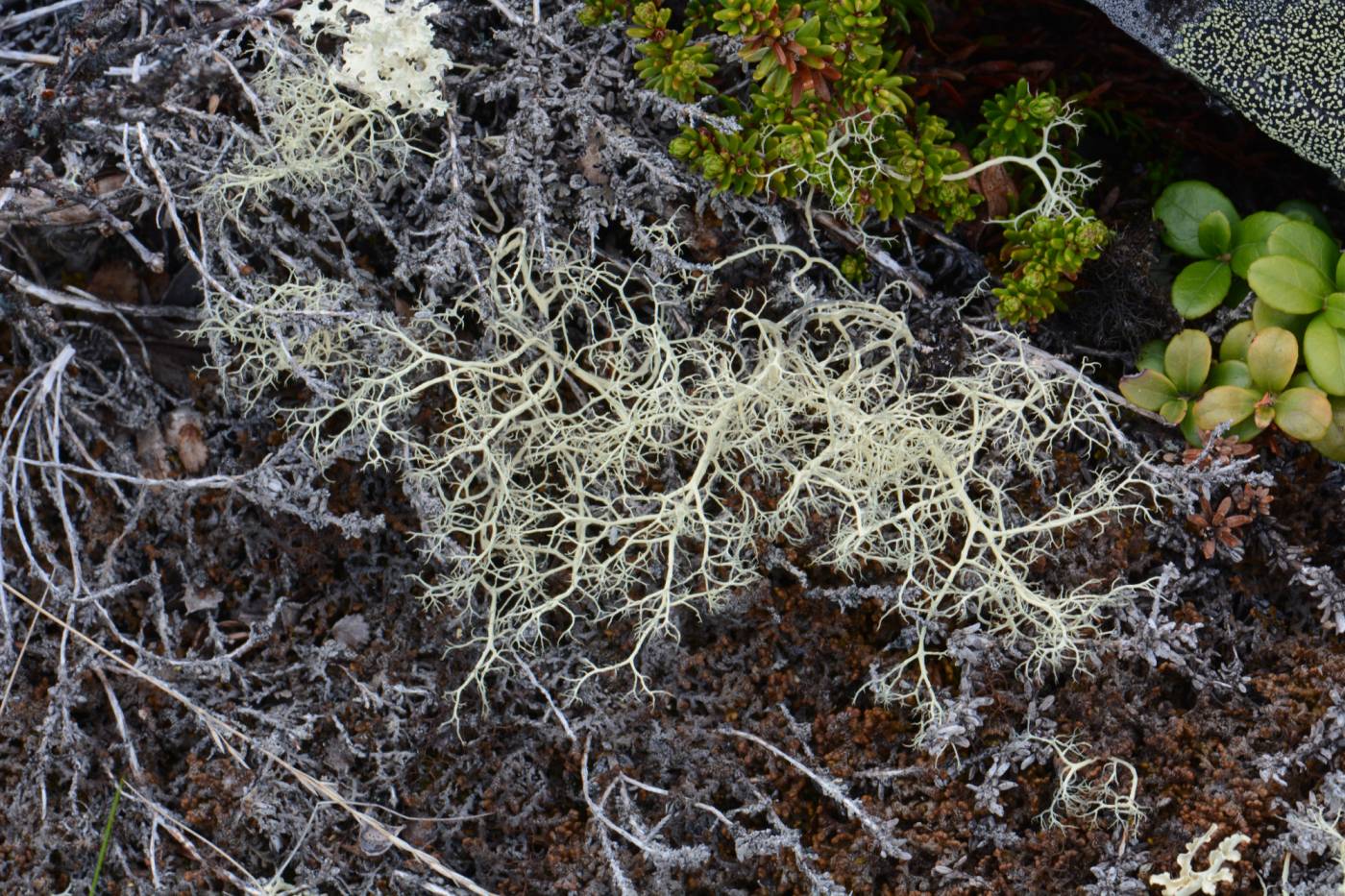
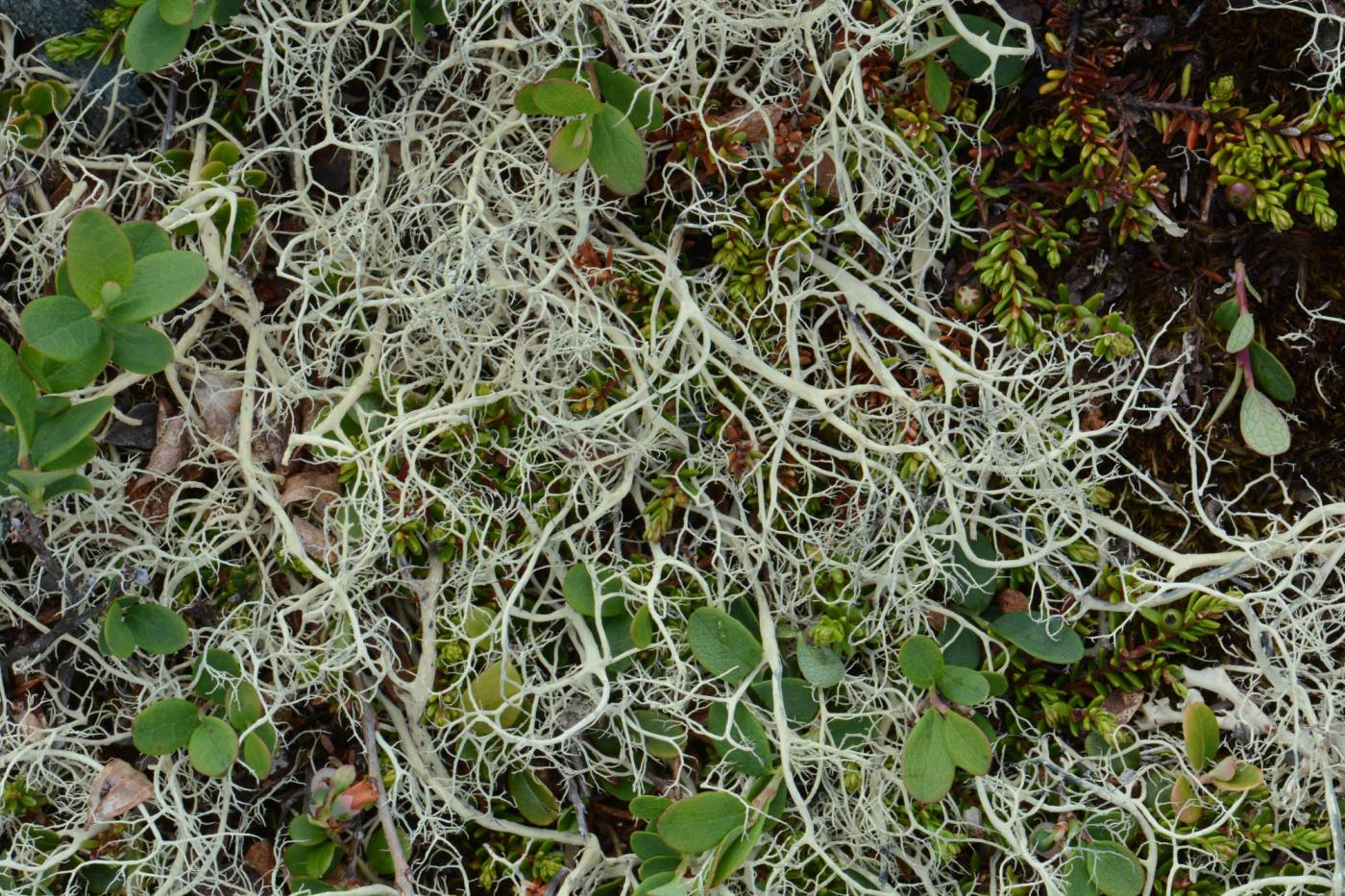
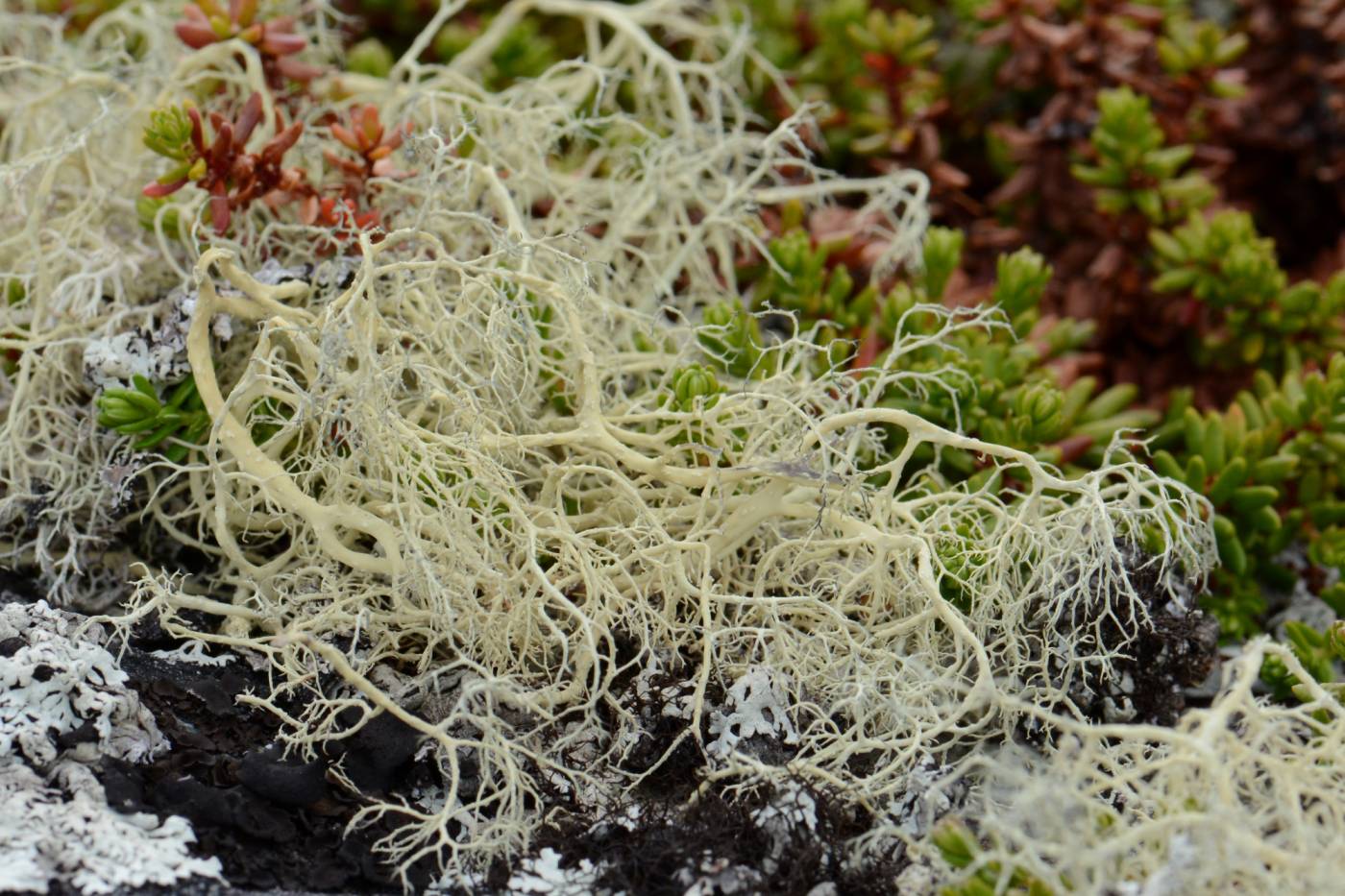
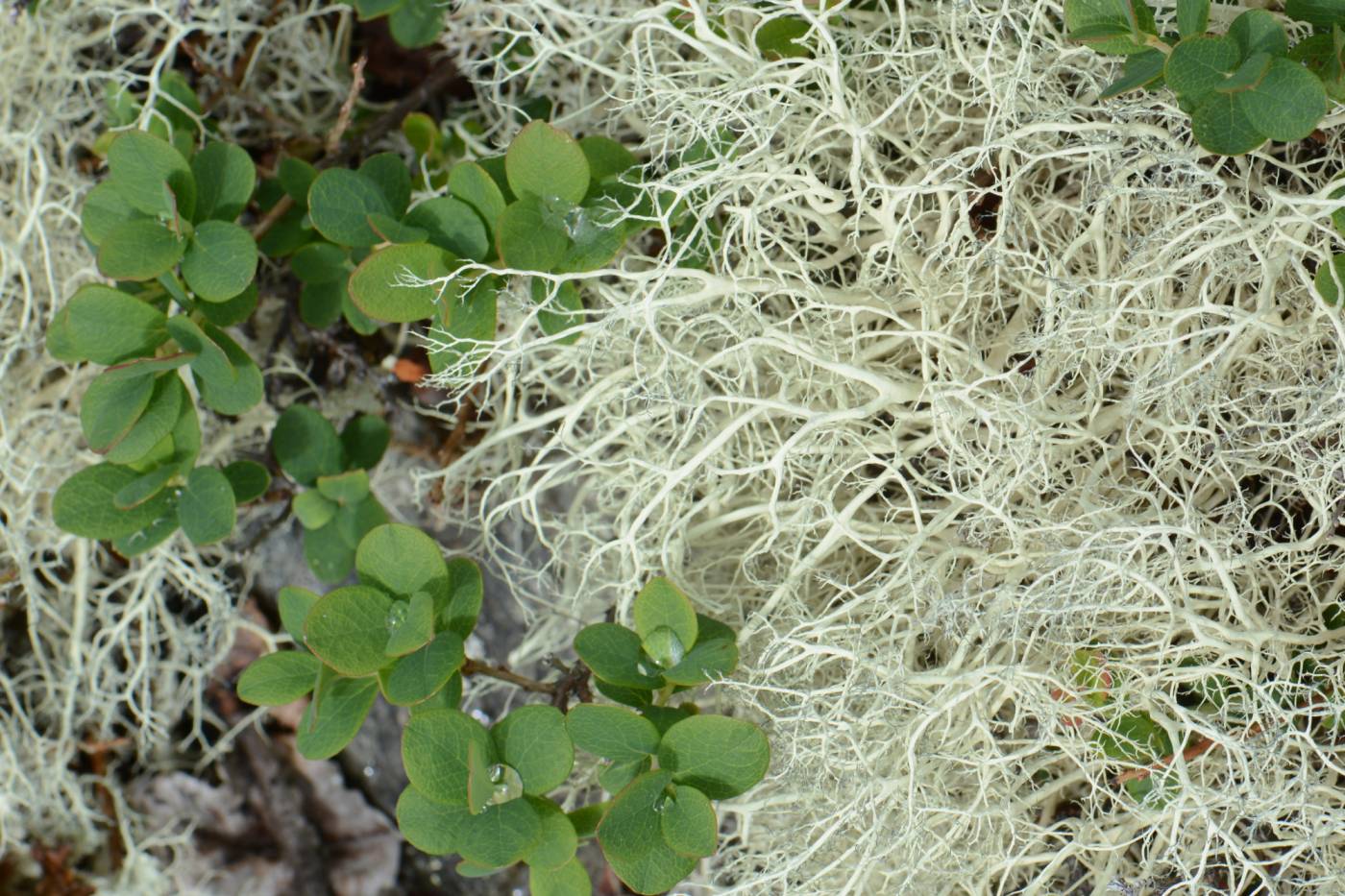
Occurrence in the Czech Republic
All records: 46, confirmed 20. One click on a selected square displays particular record(s), including their source(s).