A large Peltigera species, with thalli reaching up to 15 cm in diameter. The upper surface is slightly wrinkled, smooth, matt, grey to bluish-grey or grey-brown when dry, and vivid brown to bluish-grey when wet. Veins on the lower surface are raised, light orange to brown, and black in the centre. Rhizines are usually 8–15 mm long, simple or, more rarely, fasciculate. Apothecia are frequent. A characteristic feature is the presence of zeorin as the dominant triterpene. Compared to the very similar but unrelated P. vitikainenii, it usually differs in a thicker, more foveolate thallus and darker veins.
Peltigera neopolydactyla grows on rocks, fallen logs, bryophytes, and soil in old boreal forests. It has been confirmed across a broad range from North America through Europe and Russia to Japan (Magain et al. 2023). The only Czech record comes from Mt. Jezerní hora in the Šumava Mountains, where it was collected in 1926 by A. Hilitzer. Within Europe, this record is so far the only verified occurrence outside the northern part of the continent. Until recently, the species P. vitikainenii was reported from the Czech Republic under this name.
Literature: Magain et al. (2023): High species richness in the lichen genus Peltigera (Ascomycota, Lecanoromycetes): 34 species in the dolichorhizoid and scabrosoid clades of section Polydactylon, including 24 new to science. – Persoonia 51: 1–88. Panáková K., Malíček J. & Palice Z. (2024): Revize rozšíření hávnatky Peltigera neopolydactyla v České republice [A revision of the distribution of Peltigera neopolydactyla in the Czech Republic]. – Bryonora 74: 25–38.
taxonomic classification:Ascomycota → Lecanoromycetes → Peltigerales → Peltigeraceae → Peltigera
Red List (Liška & Palice 2010):EN – endangered
Red List (Malíček 2023):C1 – critically endangered
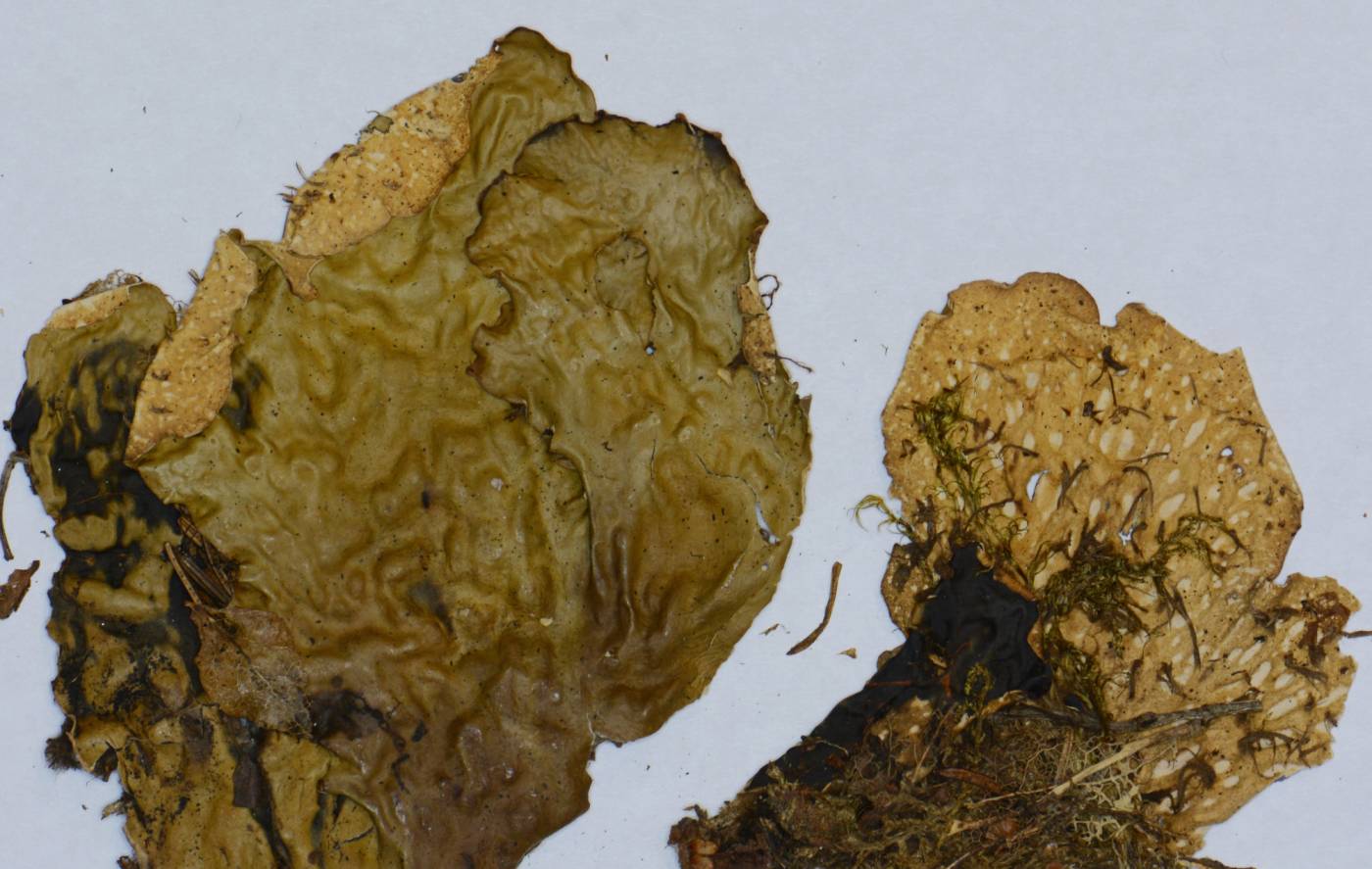
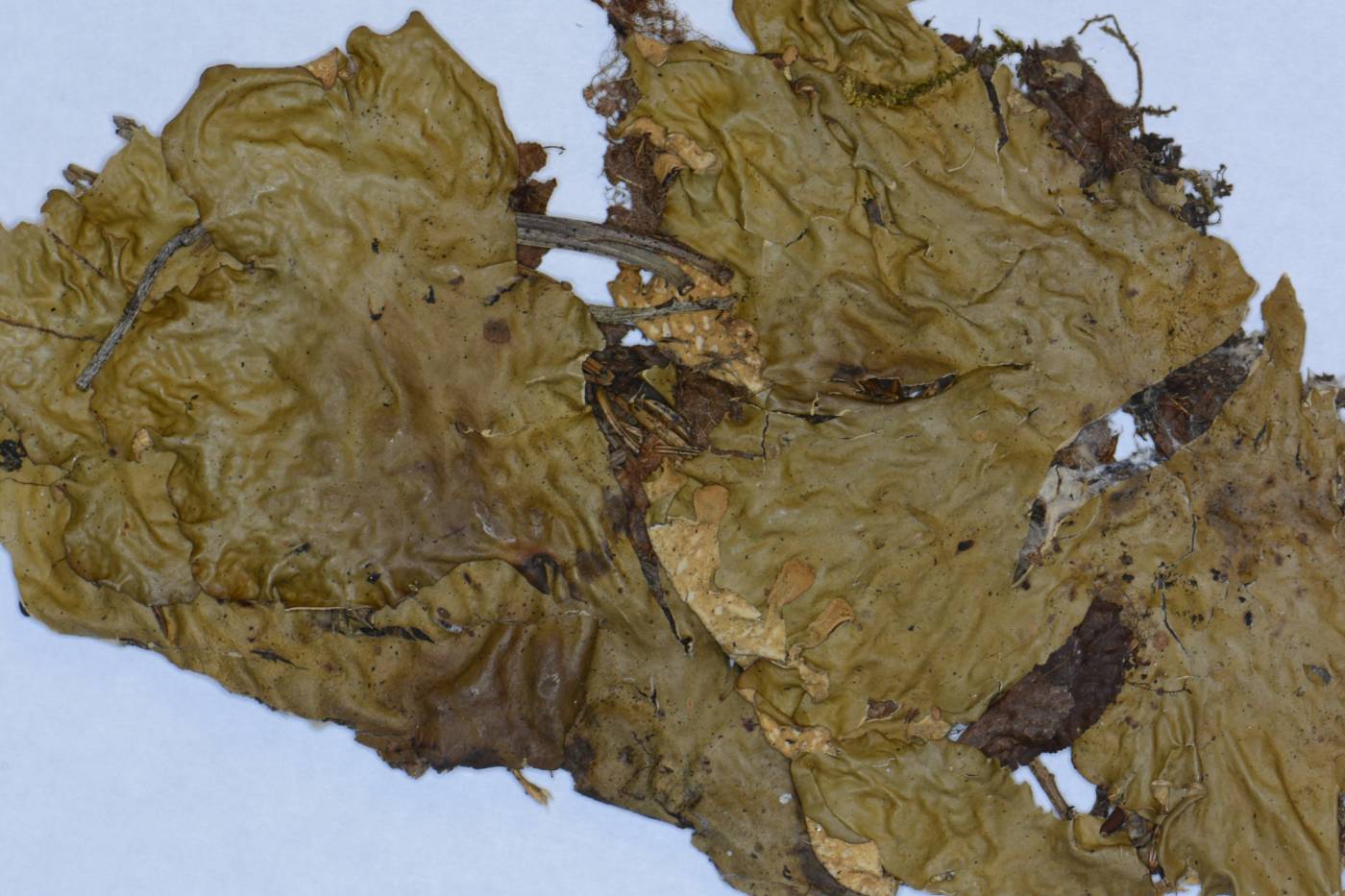
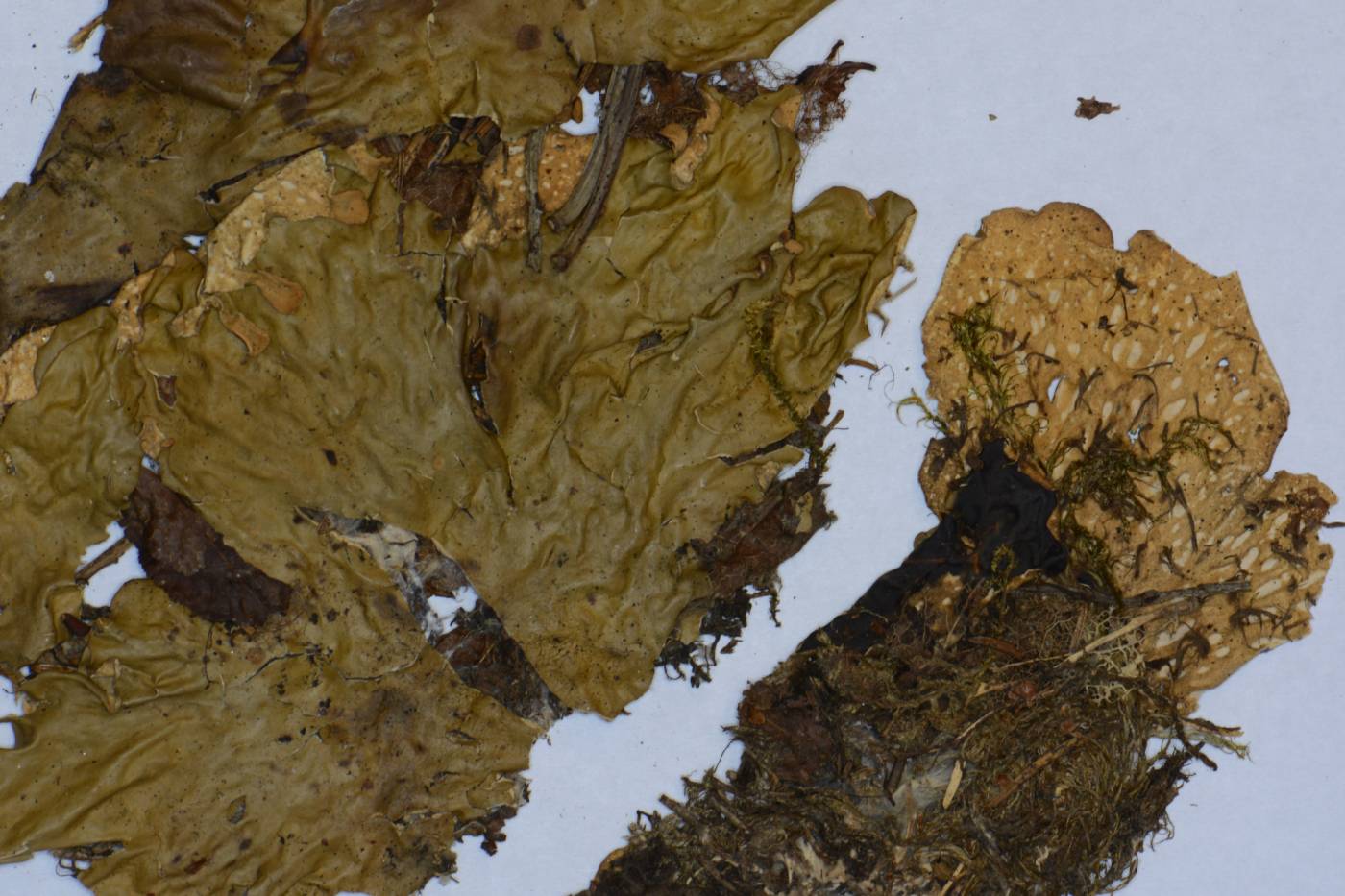
Occurrence in the Czech Republic
All records: 11, confirmed 1. One click on a selected square displays particular record(s), including their source(s).